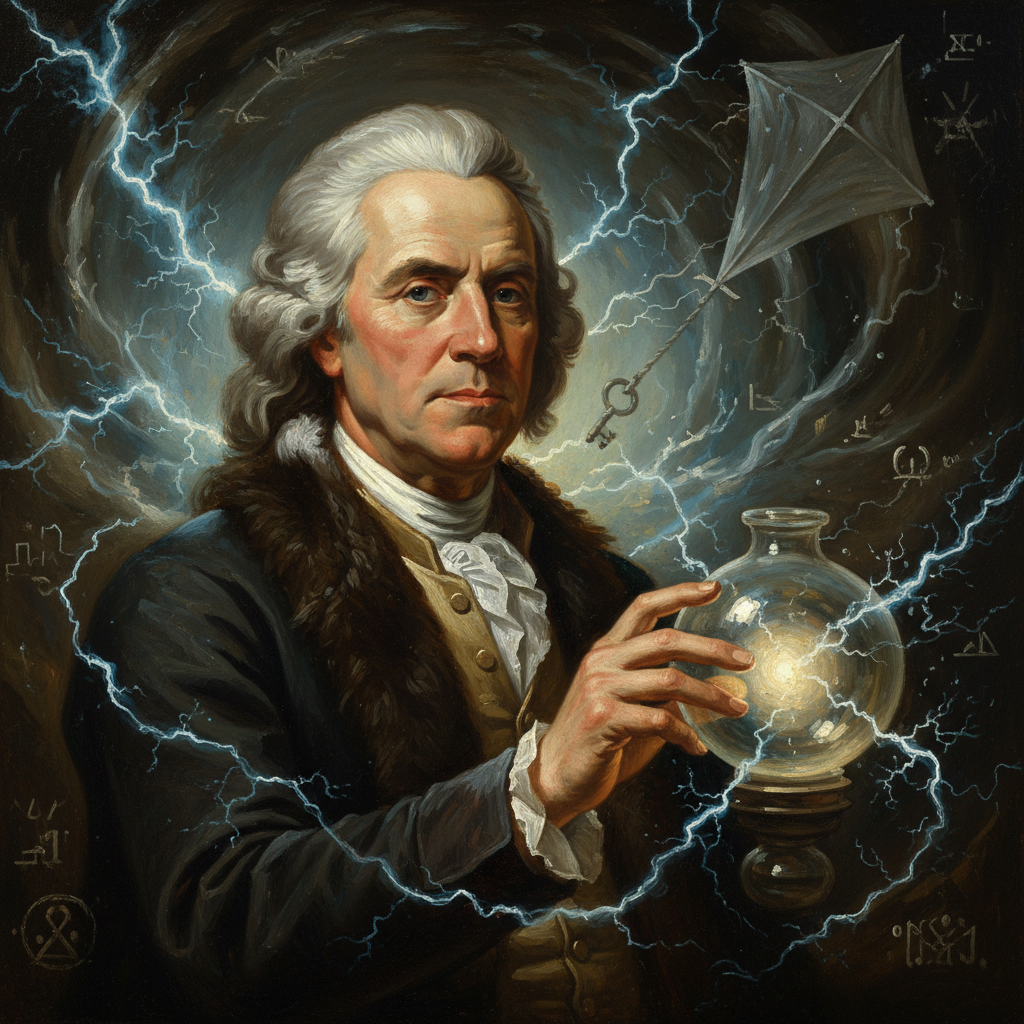
Benjamin Franklin — "Anger is never without a Reason, but seldom with a good One."
Anger is never without a Reason, but seldom with a good One.
Anger is never without a Reason, but seldom with a good One.
Click any product to generate a realistic preview. Up to 3 at a time.
* Initial load can take up to 90 seconds — revising the preview in another color is nearly instant.
"Dost thou love life? Then do not squander time, for that is the stuff life is made of."
"There never was a good war or a bad peace."
"He that resolves to mend hereafter, resolves not to mend now."
"Let me add, that only a virtuous people are capable of freedom. As nations become corrupt and vicious, they have more need of masters."
"A penny saved is a penny got."
Polymath Founding Father, diplomat, and Poor Richard's Almanack author who helped draft the Declaration of Independence and the Constitution. Closely associated with John Adams (fellow Founder, Massachusetts statesman) and Thomas Jefferson (fellow Declaration drafter). For an intellectual contrast, see Thomas Hutchinson, last royal governor of colonial Massachusetts — Franklin leaked Hutchinson's loyalist correspondence to Boston in 1772 to inflame revolutionary sentiment — Hutchinson represented the colonial-aristocrat crown-loyalty that Franklin's revolution was organized to dismantle.
Found in 1 providers: gemini
1 source checked
Anger always has a trigger—something sets it off—but that trigger is rarely worth the emotional reaction it produces. People feel justified in their anger because a cause exists, but having a reason doesn't make the anger reasonable. The quote challenges us to pause before reacting: ask not just 'why am I angry?' but 'is this actually worth my anger?' Usually, it isn't.
Franklin embodied Enlightenment rationalism—he prized reason over passion in diplomacy, business, and civic life. As a colonial agent in London and later envoy to France, he navigated explosive political tensions through composure and wit rather than outrage. His Poor Richard's Almanack repeatedly counseled emotional restraint as practical wisdom. A self-made man who catalogued his own moral failings in his Autobiography, Franklin genuinely believed controlling anger was essential to success and virtue.
Franklin wrote during the Enlightenment, an era defined by faith in reason as civilization's highest faculty. In colonial America, political tensions between Britain and the colonies were escalating toward revolution, fueled by passionate rhetoric that could—and did—ignite mob violence. Thinkers of the era absorbed Stoic philosophy and believed unchecked anger threatened both personal virtue and republican self-governance. Rational restraint was not merely a personal virtue; it was considered essential for stable democracy.
AI-generated insights based on extensive research and information for context. Factual errors? Email [email protected].
Your cart is empty