What it means
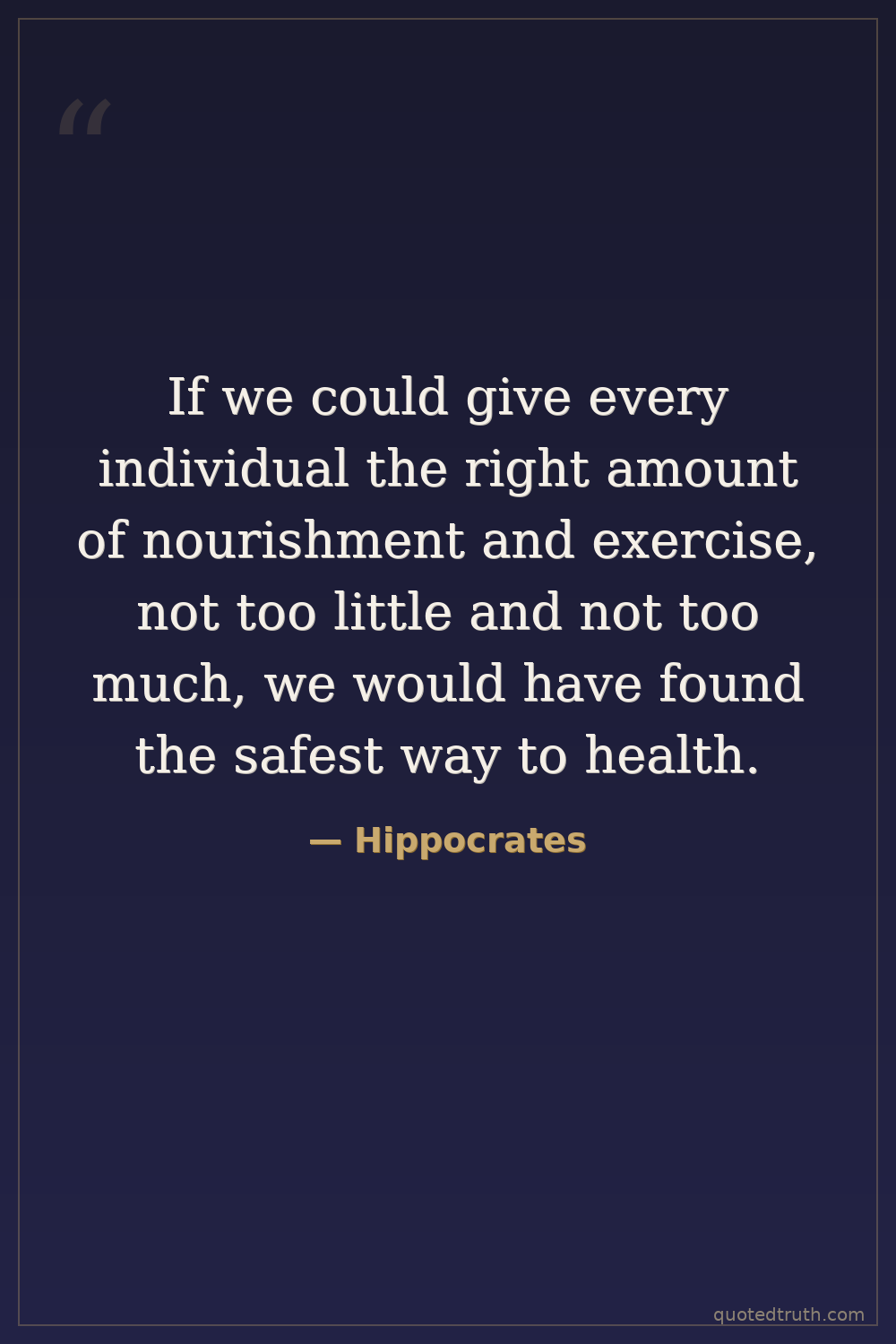
Optimal health comes from precise balance — enough food and physical activity, but never excess or deficiency. Too much or too little of either disrupts the body. This isn't about strict rules but about calibrated, individualized care: what one person needs differs from another, and finding that personal equilibrium is more powerful than any treatment after illness has already taken hold.
Relevance to Hippocrates
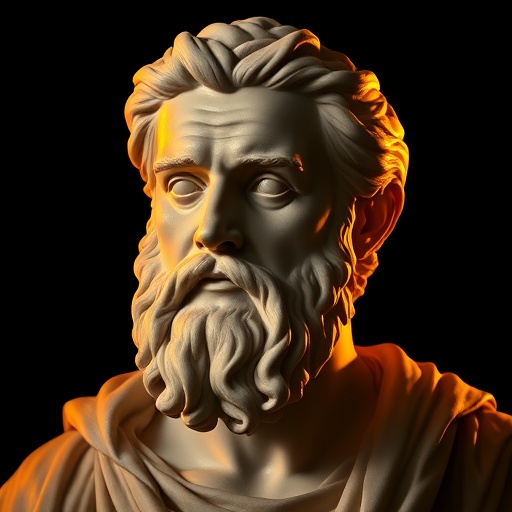
Hippocrates built medicine on observation over superstition, treating patients as individuals rather than applying blanket cures. His Hippocratic school rejected divine causes of disease, instead examining diet, environment, and lifestyle. As a physician who traveled widely treating real patients, he saw firsthand how eating habits and physical conditioning determined who stayed well — making this quote a direct expression of his clinical philosophy.
The era
In 5th–4th century BCE Greece, medicine was transitioning from temple-based healing and religious ritual toward rational inquiry. Athletic culture was central — the Olympics, gymnasiums, and military training made exercise a civic virtue. Yet Greek society also wrestled with excess: feasts, sedentary aristocratic life, and famine among the poor. Hippocrates wrote amid this tension, arguing that systematic moderation, not gods or luck, governed human health.
AI-generated insights based on extensive research and information for context. Factual errors? Email [email protected].