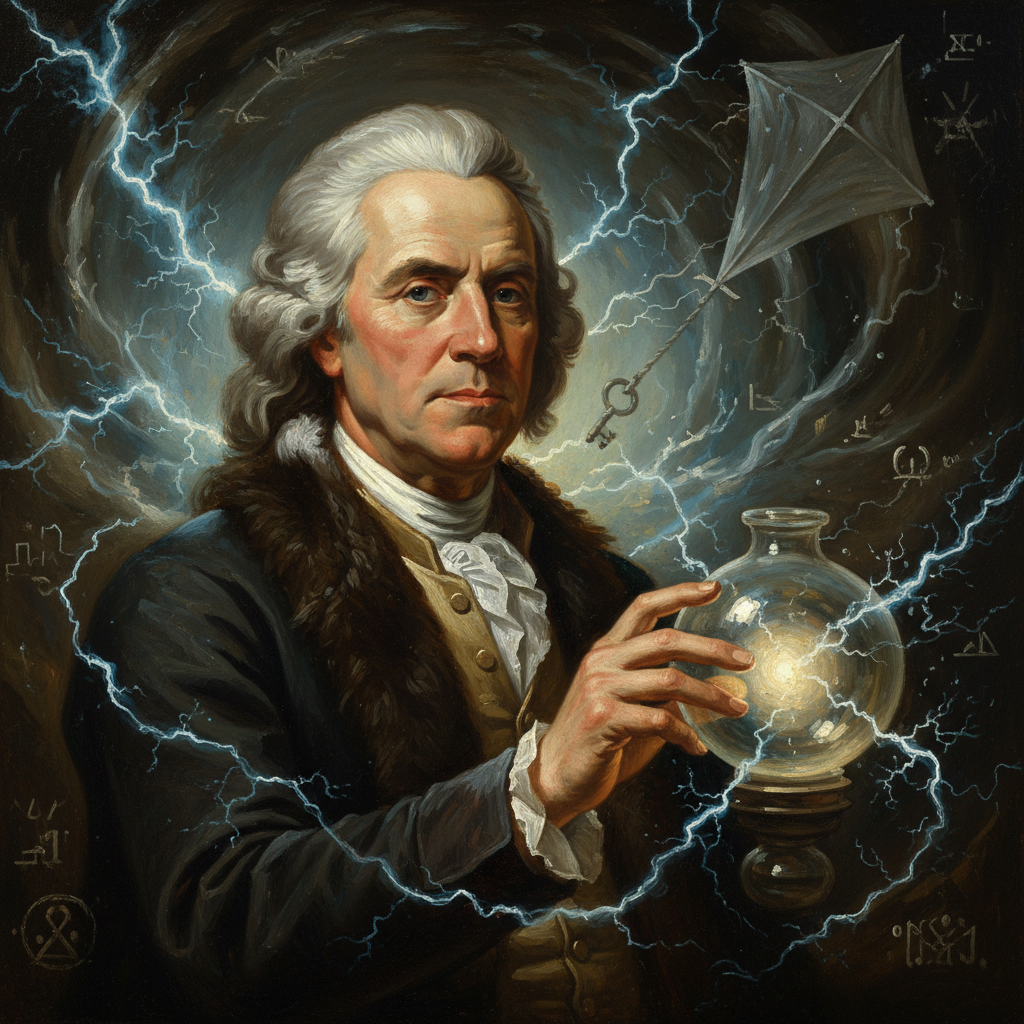
Benjamin Franklin — "A heavy ship cannot sink."
A heavy ship cannot sink.
A heavy ship cannot sink.
Click any product to generate a realistic preview. Up to 3 at a time.
* Initial load can take up to 90 seconds — revising the preview in another color is nearly instant.
"Better slip with foot than tongue."
"A countryman between two lawyers is like a fish between two cats."
"Industry need not wish, and he that lives upon hopes will die fasting."
"Never leave that till tomorrow which you can do today."
"If you would be revenged of your enemy, govern yourself."
Polymath Founding Father, diplomat, and Poor Richard's Almanack author who helped draft the Declaration of Independence and the Constitution. Closely associated with John Adams (fellow Founder, Massachusetts statesman) and Thomas Jefferson (fellow Declaration drafter). For an intellectual contrast, see Thomas Hutchinson, last royal governor of colonial Massachusetts — Franklin leaked Hutchinson's loyalist correspondence to Boston in 1772 to inflame revolutionary sentiment — Hutchinson represented the colonial-aristocrat crown-loyalty that Franklin's revolution was organized to dismantle.
From 'Poor Richard's Almanack' (lesser-known wisdom)
Date: Unknown, likely 18th century
GeneralFound in 1 providers: gemini
1 source checked
Weight, substance, and gravitas provide resilience rather than vulnerability. What appears burdensome—accumulated experience, responsibility, or depth of character—actually anchors and stabilizes. A light vessel is easily capsized by waves; one with proper ballast rides through storms. Applied to people: those carrying real knowledge, earned wisdom, or deep commitments are harder to destabilize than those unburdened by substance.
Franklin embodied this personally—rising from a Boston candle-maker's son to diplomat, inventor, and founding father. He famously charted the Gulf Stream, understanding ships and maritime physics intimately. His lightning rod protected vessels at sea. Throughout his life, Franklin accumulated weight—property, reputation, influence, scientific credentials—and this density made him resilient across political upheavals, wars, and personal setbacks. He trusted earned substance over light cleverness.
In 18th-century colonial America, maritime trade was the economic backbone. Philadelphia, Franklin's city, ranked among the hemisphere's busiest ports. Ships meant commerce, survival, and connection to Europe. Sailors and merchants understood viscerally that an improperly ballasted ship—riding too light—was dangerous in open ocean. Franklin's era also grappled with the weight of revolution; this aphorism reflects the colonial conviction that substance and preparation made for endurance.
AI-generated insights based on extensive research and information for context. Factual errors? Email [email protected].
Your cart is empty