What it means
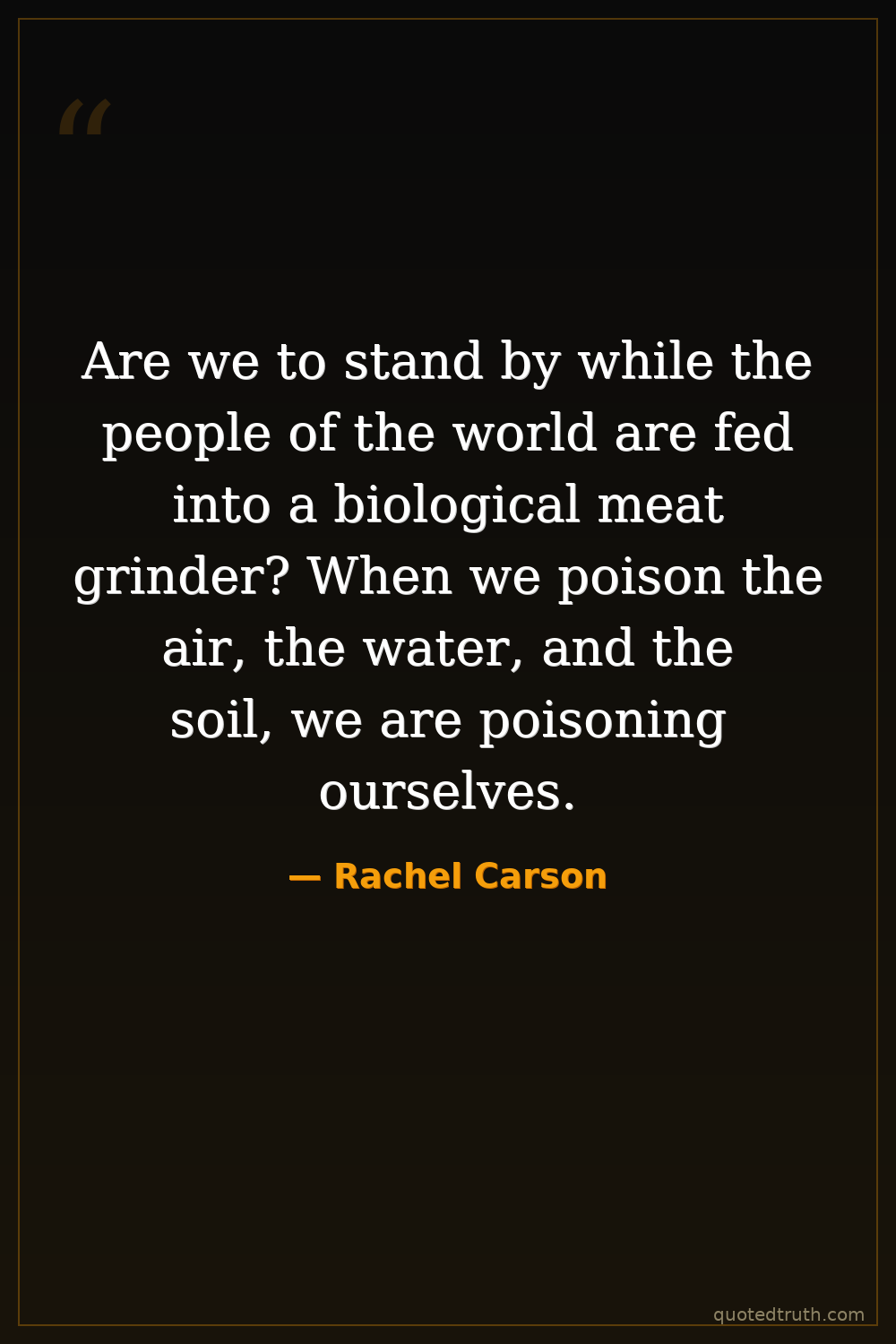
Poisoning the natural environment is ultimately self-destruction. Using the visceral image of a biological meat grinder, this warns that contaminating air, water, and soil does not harm some separate external world — it harms us directly. It challenges passive bystander attitudes, framing collective inaction on chemical pollution as complicity in humanity's own slow dismantling.
Relevance to Rachel Carson
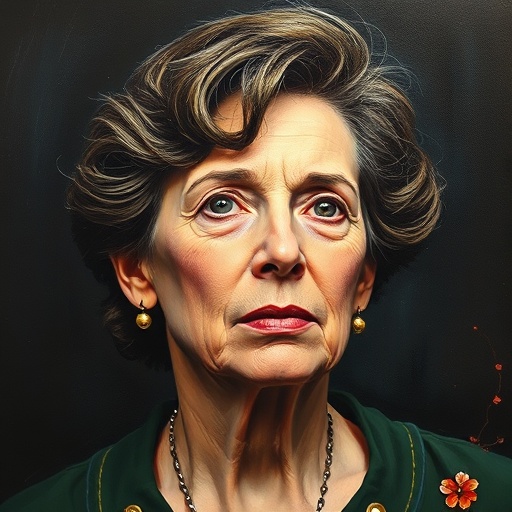
Rachel Carson was a marine biologist whose 1962 book Silent Spring documented how pesticides like DDT devastated wildlife and entered the human food chain. She worked through industry attacks and personal illness — diagnosed with breast cancer while writing that book. Her core conviction was that humans exist within nature, not above it, making chemical contamination not an ecological abstraction but a direct threat to human survival.
The era
Carson wrote during the post-WWII chemical boom of the 1950s–60s, when synthetic pesticides were applied broadly and celebrated as modern miracles. The Cold War era equated industrial progress with patriotism. Chemical and agricultural industries held enormous political influence, and most Americans trusted government-approved substances were safe. Carson forced a culture built on chemical optimism to confront the possibility that progress itself was systematically poisoning the population.
AI-generated insights based on extensive research and information for context. Factual errors? Email [email protected].