Benjamin Franklin — "Either write something worth reading or do something worth writing."
Either write something worth reading or do something worth writing.
Either write something worth reading or do something worth writing.
Click any product to generate a realistic preview. Up to 3 at a time.
* Initial load can take up to 90 seconds — revising the preview in another color is nearly instant.
"He that pursues two hares at once, commonly catches neither."
"If you would have your business done, go; if not, send."
"Without freedom of thought there can be no such thing as wisdom; and no such thing as public liberty, without freedom of speech."
"When the well's dry, we know the worth of water."
"None but the well-bred man knows how to confess a fault, or acknowledge a obligation."
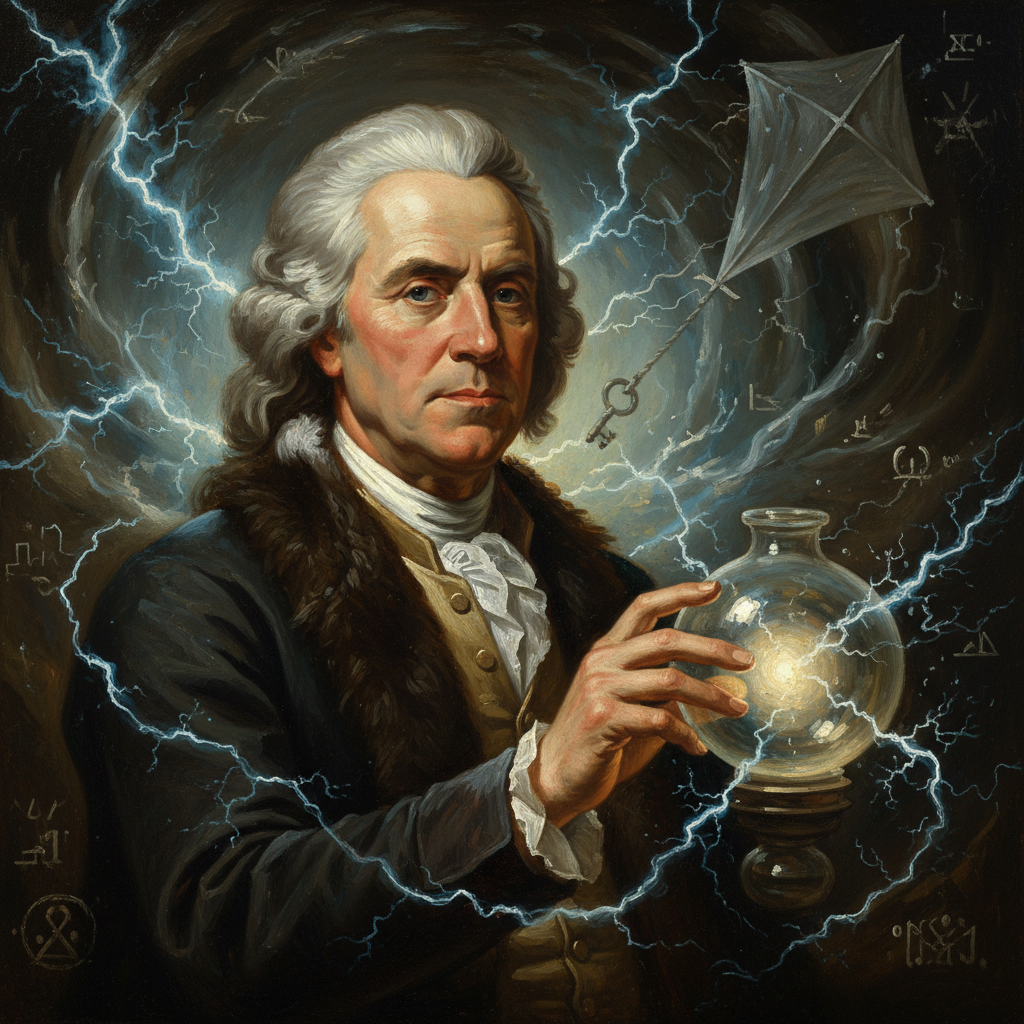
Polymath Founding Father, diplomat, and Poor Richard's Almanack author who helped draft the Declaration of Independence and the Constitution. Closely associated with John Adams (fellow Founder, Massachusetts statesman) and Thomas Jefferson (fellow Declaration drafter). For an intellectual contrast, see Thomas Hutchinson, last royal governor of colonial Massachusetts — Franklin leaked Hutchinson's loyalist correspondence to Boston in 1772 to inflame revolutionary sentiment — Hutchinson represented the colonial-aristocrat crown-loyalty that Franklin's revolution was organized to dismantle.
Found in 2 providers: deepseek,gemini
2 sources checked
A challenge to live meaningfully: your life should produce either ideas worth sharing or deeds worth recording. If you write, make it genuinely useful or illuminating. If you act, make it bold enough to deserve documentation. The quote rejects passivity and mediocrity outright, insisting a worthwhile life demands either intellectual contribution or consequential action — and implying the truly exceptional person manages both.
Franklin embodied both halves of this maxim. As printer and publisher of Poor Richard's Almanack, he spent decades crafting writing people actually read and quoted for generations. Simultaneously, he did things genuinely worth documenting — harnessing electricity, negotiating the French alliance that saved the Revolution, helping draft the Declaration of Independence. He built his reputation deliberately through words and deeds reinforcing each other, making him the living proof of his own advice.
Franklin lived during the Enlightenment, when print culture was transforming public life. Newspapers, pamphlets, and almanacs flooded colonial America, but most content was trivial or ephemeral. Meanwhile, the Revolutionary era created genuine history-making opportunities — ordinary men were doing things that would define a new nation. In this context, the maxim cut against complacency: with both printing presses and world-historical events available, there was no excuse for an unremarkable life.
AI-generated insights based on extensive research and information for context. Factual errors? Email [email protected].
Your cart is empty