What it means
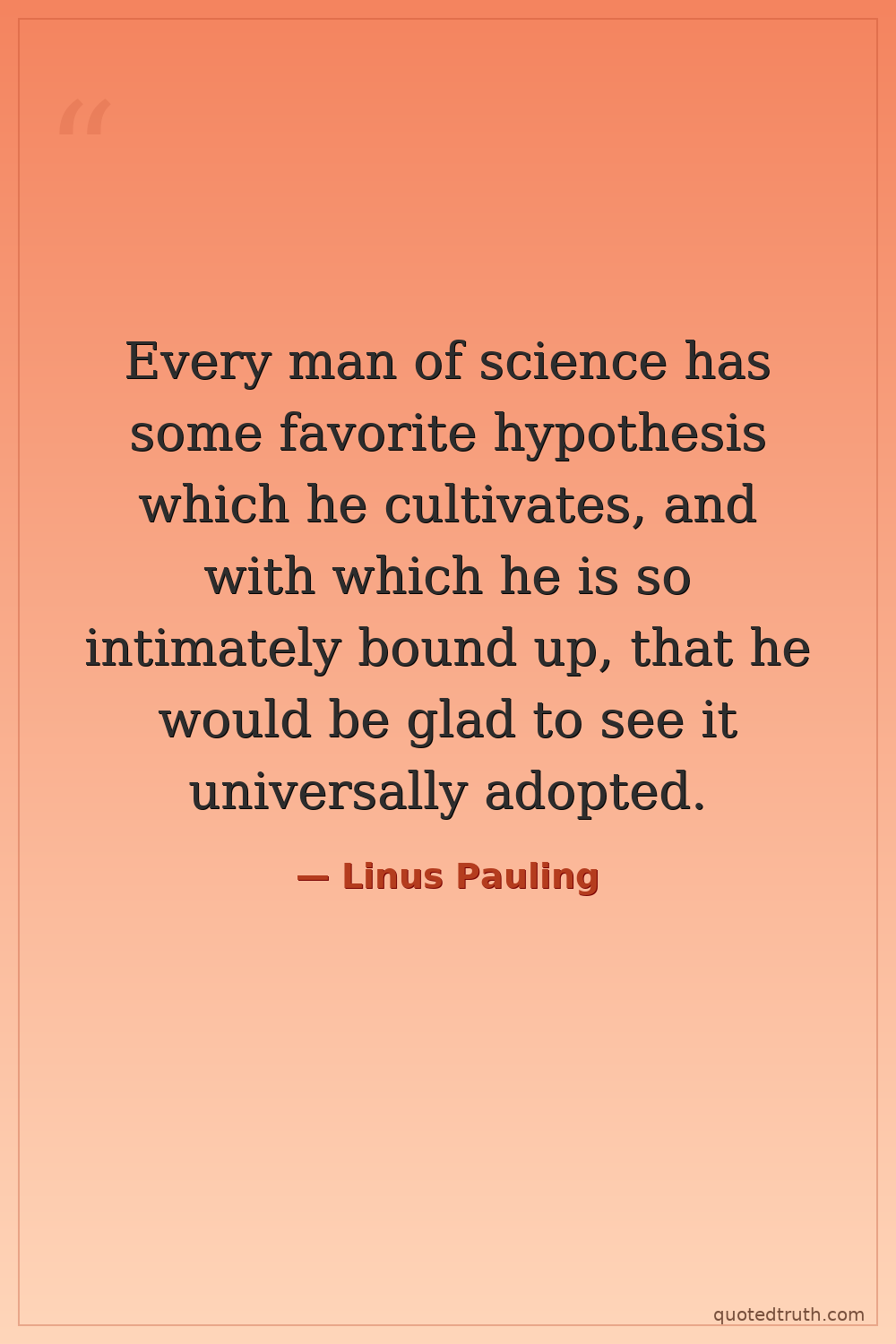
Scientists naturally develop deep attachment to their own theories and ideas. When you invest years developing a hypothesis, you inevitably want it validated and accepted by the broader scientific community. This describes the very human tendency where intellectual ownership blurs into emotional investment, making objectivity difficult even for rigorous thinkers who pride themselves on following evidence wherever it leads.
Relevance to Linus Pauling
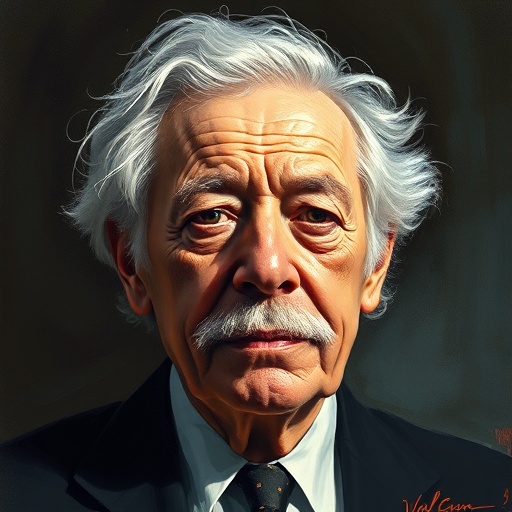
Pauling embodied this tension profoundly. His resonance theory of chemical bonding became his intellectual identity, earning him the 1954 Nobel Prize in Chemistry. Later, his controversial advocacy for megadose Vitamin C as a cancer cure demonstrated this bias vividly — despite mounting contradictory evidence, he championed it until his death, illustrating how even Nobel laureates struggle to separate personal hypothesis from objective truth.
The era
Mid-20th century science experienced explosive growth with competing theories in chemistry, physics, and medicine. The Cold War accelerated scientific nationalism, where hypotheses carried institutional and political weight beyond pure inquiry. Pauling's era saw paradigm-shifting battles — Watson-Crick versus Pauling on DNA structure, quantum mechanics revolutionizing chemistry — making hypothesis attachment both professionally consequential and deeply personal for researchers staking careers on their theories.
AI-generated insights based on extensive research and information for context. Factual errors? Email [email protected].