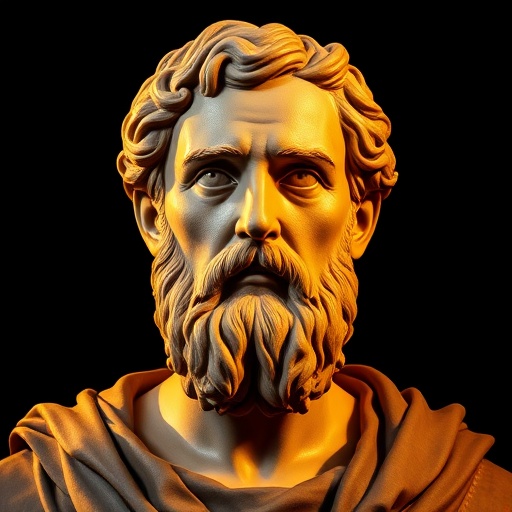
Saint Paul — "For we are not as many, which corrupt the word of God: but as of sincerity, but …"
For we are not as many, which corrupt the word of God: but as of sincerity, but as of God, in the sight of God speak we in Christ.
For we are not as many, which corrupt the word of God: but as of sincerity, but as of God, in the sight of God speak we in Christ.
Click any product to generate a realistic preview. Up to 3 at a time.
* Initial load can take up to 90 seconds — revising the preview in another color is nearly instant.
"For the message of the cross is foolishness to those who are perishing, but to us who are being saved it is the power of God."
"But I suffer not a woman to teach, nor to usurp authority over the man, but to be in silence."
"For the kingdom of God is not a matter of eating and drinking, but of righteousness, peace and joy in the Holy Spirit."
"Be joyful in hope, patient in affliction, faithful in prayer."
"Notwithstanding she shall be saved in childbearing, if they continue in faith and charity and holiness with sobriety."
Found in 1 providers: gemini
1 source checked
Paul draws a sharp line between himself and others who water down or twist the message for personal gain. He claims his preaching is honest, undiluted, and delivered with the awareness that God is watching. In plain terms: plenty of people peddle a doctored version of the truth for money or influence, but he speaks straight, from genuine conviction, as someone accountable to a higher authority.
Paul spent his career defending his credibility against rival teachers in Corinth and Galatia who accused him of being a fake apostle or a money-grabber. A former Pharisee turned tentmaker-missionary, he refused payment from churches he served to avoid looking mercenary. This line reflects his constant need to distinguish authentic gospel preaching from the traveling sophists and false teachers shadowing his mission.
First-century Greco-Roman cities were saturated with itinerant philosophers, rhetoricians, and mystery-cult salesmen charging fees for wisdom. 'Peddling' sacred texts for profit was a known racket, and Corinth especially hosted competing orators. Early Christianity had no institutional gatekeeping, so anyone could claim apostolic authority. Paul wrote into that noisy marketplace, where sincerity had to be argued, not assumed, and financial disinterest was proof of legitimacy.
AI-generated insights based on extensive research and information for context. Factual errors? Email [email protected].
Your cart is empty