Benjamin Franklin — "How many observe Christ's birthday! How few, his precepts!"
How many observe Christ's birthday! How few, his precepts!
How many observe Christ's birthday! How few, his precepts!
Click any product to generate a realistic preview. Up to 3 at a time.
* Initial load can take up to 90 seconds — revising the preview in another color is nearly instant.
"He that waits upon fortune, is never sure of a dinner."
"He that falls in love with himself will have no rivals."
"A fat kitchen, a lean will."
"Never leave that till tomorrow which you can do today."
"For age and want save while you may; no morning sun lasts a whole day."
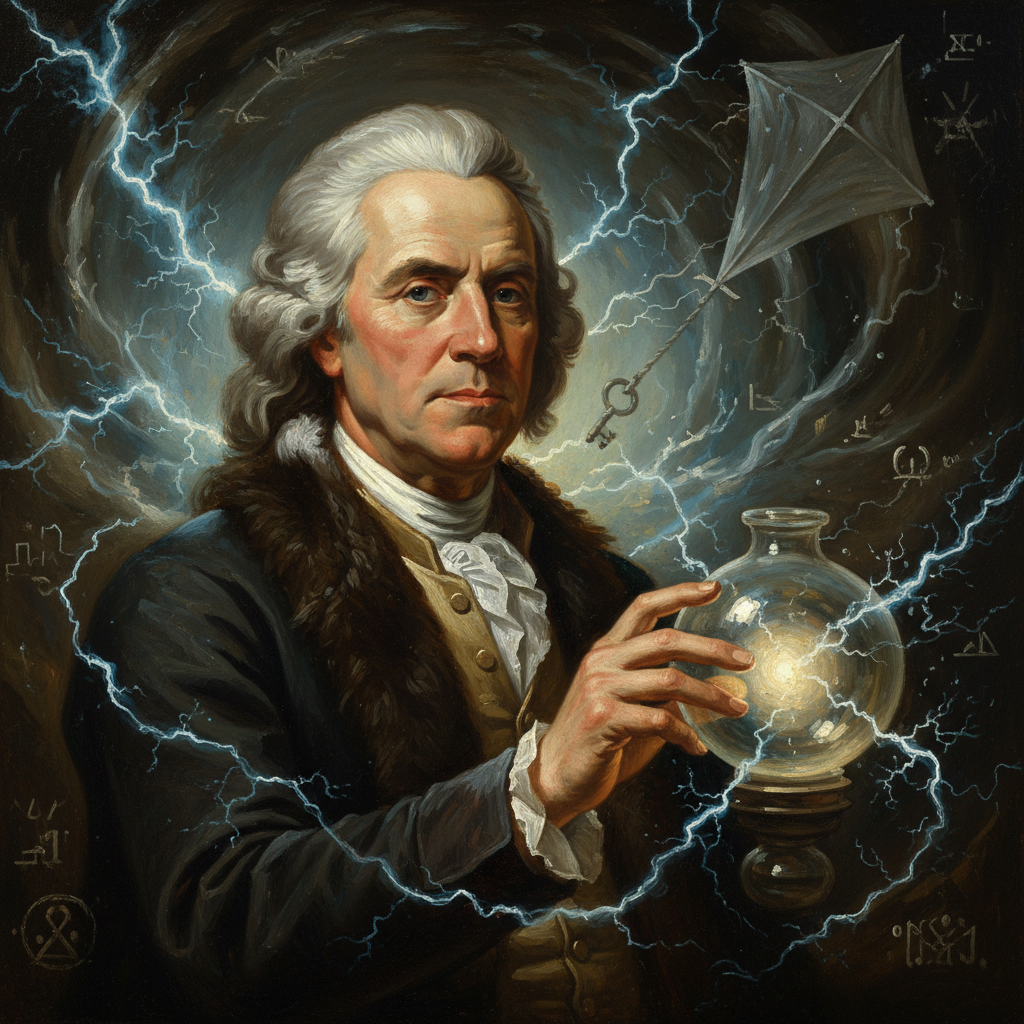
Polymath Founding Father, diplomat, and Poor Richard's Almanack author who helped draft the Declaration of Independence and the Constitution. Closely associated with John Adams (fellow Founder, Massachusetts statesman) and Thomas Jefferson (fellow Declaration drafter). For an intellectual contrast, see Thomas Hutchinson, last royal governor of colonial Massachusetts — Franklin leaked Hutchinson's loyalist correspondence to Boston in 1772 to inflame revolutionary sentiment — Hutchinson represented the colonial-aristocrat crown-loyalty that Franklin's revolution was organized to dismantle.
Found in 1 providers: grok
1 source checked
This quote criticizes religious hypocrisy by contrasting widespread Christmas celebration with near-universal neglect of Christ's actual moral teachings — love, humility, forgiveness, care for the poor. Commemorating a birthday is easy and socially performed; following ethical precepts demands daily sacrifice and genuine character. Franklin targets the gap between public ritual observance and private moral conduct, arguing that ceremony without virtue is hollow, and that most people choose the easier, more visible form of devotion.
Franklin was a Deist who rejected organized religion while deeply valuing practical ethics. He designed his own 13-virtue self-improvement system — temperance, justice, humility — treating morality as daily discipline, not Sunday performance. As author of Poor Richard's Almanack he regularly skewered hypocrisy. This quote is quintessential Franklin: no reverence for ritual, full respect for conduct. He attended church rarely but lived by an intensely personal moral code, believing God was better honored through useful action than through ceremony.
Franklin wrote during the Great Awakening of the 1730s–1740s, when evangelical revivals swept colonial America. Preachers like George Whitefield drew massive crowds emphasizing emotional conversion, yet critics noted fervor rarely produced lasting ethical change. Christmas itself was contested — Puritan New England had long banned it as pagan excess. Against this backdrop of showy religious enthusiasm, Franklin's Enlightenment skepticism of ceremony over substance resonated sharply. Reason and virtue, not ritual, defined the intellectual vanguard of his era.
AI-generated insights based on extensive research and information for context. Factual errors? Email [email protected].
Your cart is empty