What it means
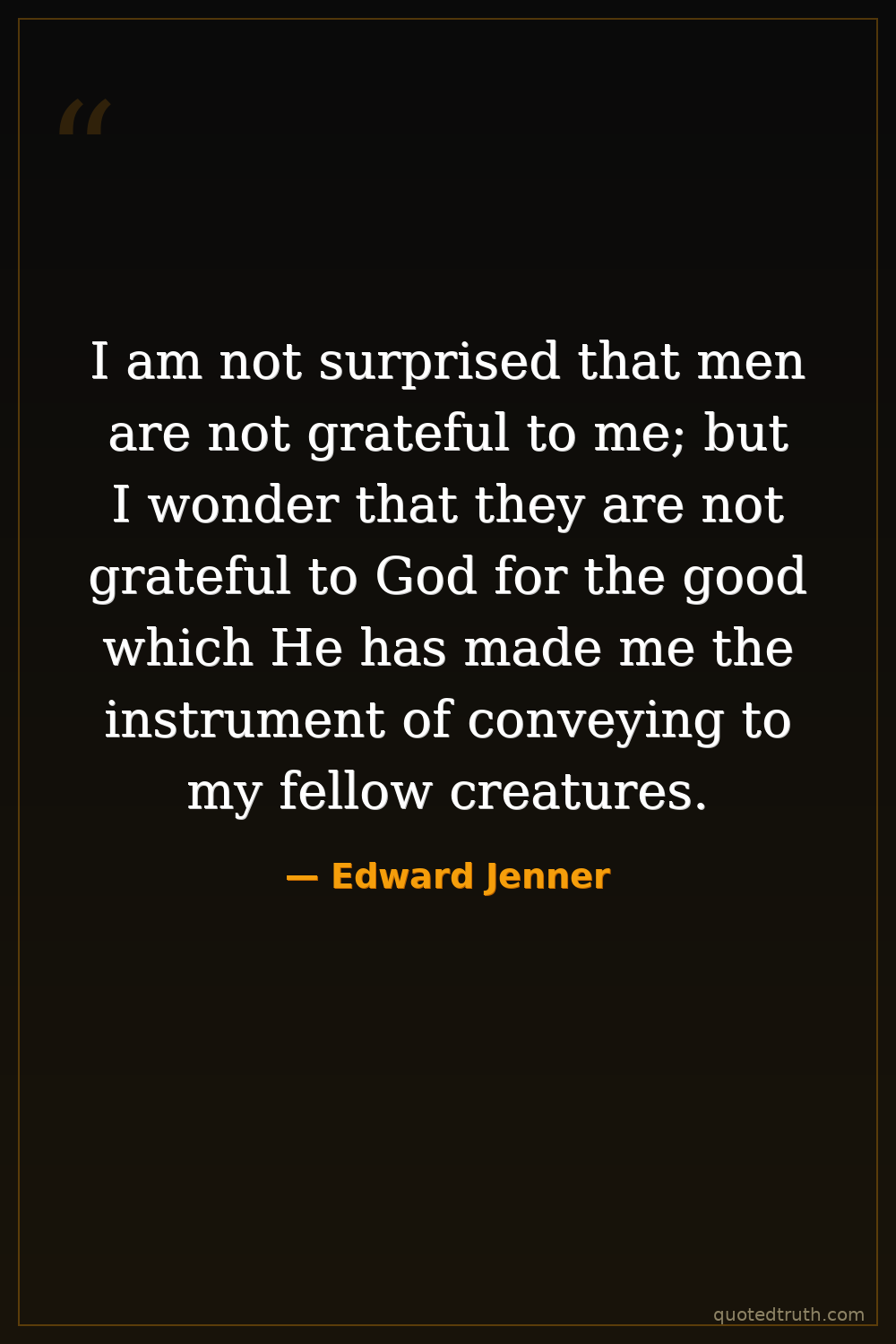
I don't expect personal gratitude from people, but I'm astonished they don't thank God for the benefit delivered through me. The speaker sees himself as merely a channel for divine good, not the source of it. Credit belongs to a higher power, not the human instrument. Humility about personal achievement coexists with genuine bewilderment at humanity's ingratitude toward the divine providence that enabled the blessing.
Relevance to Edward Jenner
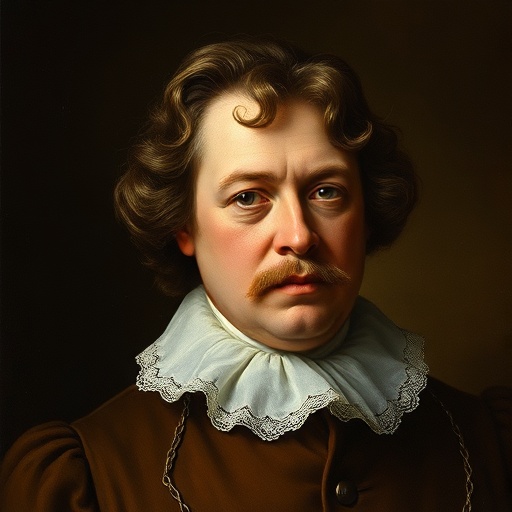
Jenner developed the smallpox vaccine in 1796 after observing that milkmaids infected with cowpox seemed immune to smallpox. Despite saving millions of lives, he faced fierce skepticism, ridicule, and resistance from the medical establishment. A deeply religious man, he consistently attributed his insight to divine guidance rather than personal genius, reflecting authentic humility amid extraordinary achievement and frustrating public ingratitude.
The era
In late 18th-century England, smallpox killed roughly 400,000 Europeans annually and disfigured millions more. Religious faith was central to public life, making appeals to divine providence culturally resonant. Medical discoveries faced intense scrutiny from religious quarters suspicious of vaccination as interfering with God's will, making Jenner's framing of himself as God's instrument both personally sincere and strategically significant in winning acceptance.
AI-generated insights based on extensive research and information for context. Factual errors? Email [email protected].