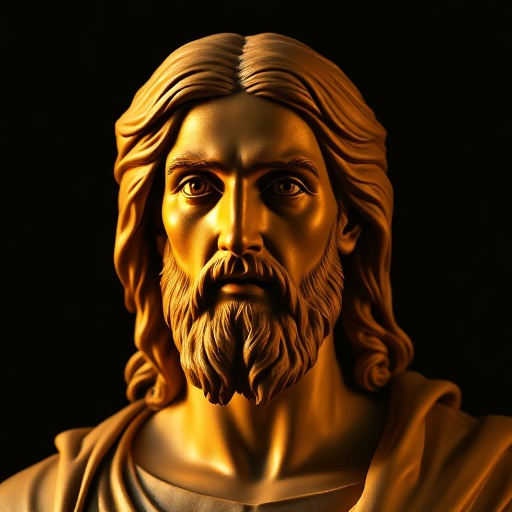
Jesus Christ — "I did not come to bring peace, but a sword."
I did not come to bring peace, but a sword.
I did not come to bring peace, but a sword.
Click any product to generate a realistic preview. Up to 3 at a time.
* Initial load can take up to 90 seconds — revising the preview in another color is nearly instant.
"Let the dead bury their own dead, but you go and proclaim the kingdom of God."
"Fear him who has power to cast into hell."
"If you want to be perfect, go, sell your possessions and give to the poor, and you will have treasure in heaven. Then come, follow me."
"And do not fear those who kill the body but cannot kill the soul. Rather fear him who can destroy both soul and body in hell."
"For what is exalted among men is an abomination in the sight of God."
Warning his disciples about division his teachings would cause
Date: Approx. 30 AD
War & ConflictFound in 1 providers: deepseek
1 source checked
Following this teaching will create division, not harmony. Committing to these principles forces choices that split families, communities, and loyalties. The message is not a gentle call to universal goodwill but a demanding standard that separates those who accept it from those who reject it. Expect conflict, opposition, and broken relationships as the natural cost of genuine allegiance, because truth and comfortable consensus rarely coexist.
Jesus spent three years teaching radical loyalty that overrode family, tribe, and nation, warning followers they would be hated, arrested, and killed. He was executed by Roman crucifixion around 30 CE after his message threatened both Jewish religious leaders and Roman authority. His own disciples were later martyred. This saying reflects his refusal to soften demands for converts who assumed a messiah meant political peace and restored kingdom.
First-century Judea lived under Roman occupation, heavy taxation, and messianic expectation of a warrior-king who would expel Rome and restore Israel's kingdom. Families were tightly bound units where religious dissent meant exile or death. Synagogue communities punished deviation. By predicting household division, Jesus confronted the assumption that God's anointed would unite the nation, and prepared followers for the real consequence of conversion in an honor-shame culture where loyalty to lineage outranked personal belief.
AI-generated insights based on extensive research and information for context. Factual errors? Email [email protected].
Your cart is empty