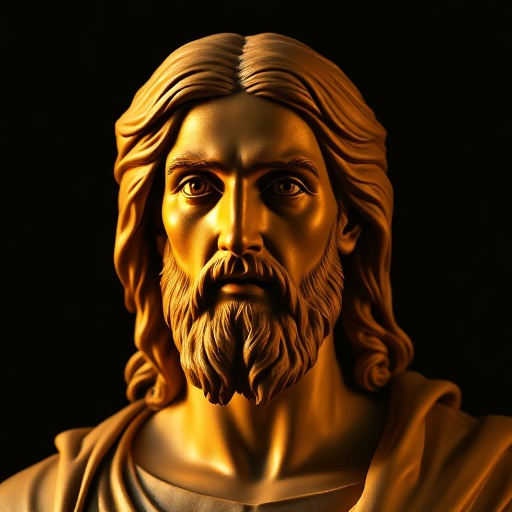
Jesus Christ — "I did not come to call the righteous, but sinners to repentance."
I did not come to call the righteous, but sinners to repentance.
I did not come to call the righteous, but sinners to repentance.
Click any product to generate a realistic preview. Up to 3 at a time.
* Initial load can take up to 90 seconds — revising the preview in another color is nearly instant.
"If you want to be perfect, go, sell your possessions and give to the poor, and you will have treasure in heaven. Then come, follow me."
"It is not right to take the children's bread and throw it to the dogs."
"It is more blessed to give than to receive."
"Let the dead bury their own dead, but you go and proclaim the kingdom of God."
"Truly, I say to you, it will be more bearable on the day of judgment for the land of Sodom and Gomorrah than for that town."
Found in 1 providers: grok
1 source checked
Jesus states his mission was not aimed at people who already considered themselves morally upright or religiously observant. Instead, he sought out those who had failed, broken rules, or lived outside accepted moral boundaries, urging them to turn their lives around. The point is that his message targets people aware of their flaws and open to change, not those convinced they need no correction or improvement.
Jesus spent his ministry eating with tax collectors, prostitutes, and outcasts, scandalizing Pharisees who valued ritual purity. This saying captures his core method: targeting the morally broken rather than the religiously established. His crucifixion between two criminals and forgiveness of one mirrors this pattern. Repentance, or metanoia, was central to his preaching alongside John the Baptist, framing salvation as accessible through acknowledgment of failure rather than inherited religious standing.
First-century Judea under Roman occupation was stratified by religious purity codes enforced by Pharisees and Sadducees. Tax collectors worked for Rome and were despised as traitors; contact with Gentiles, lepers, or sinners caused ritual defilement. Righteousness was demonstrated through Torah observance, temple offerings, and social separation from the impure. Jesus's deliberate association with the excluded directly challenged this purity system, reframing divine favor around moral transformation rather than ceremonial status or ethnic lineage.
AI-generated insights based on extensive research and information for context. Factual errors? Email [email protected].
Your cart is empty