What it means
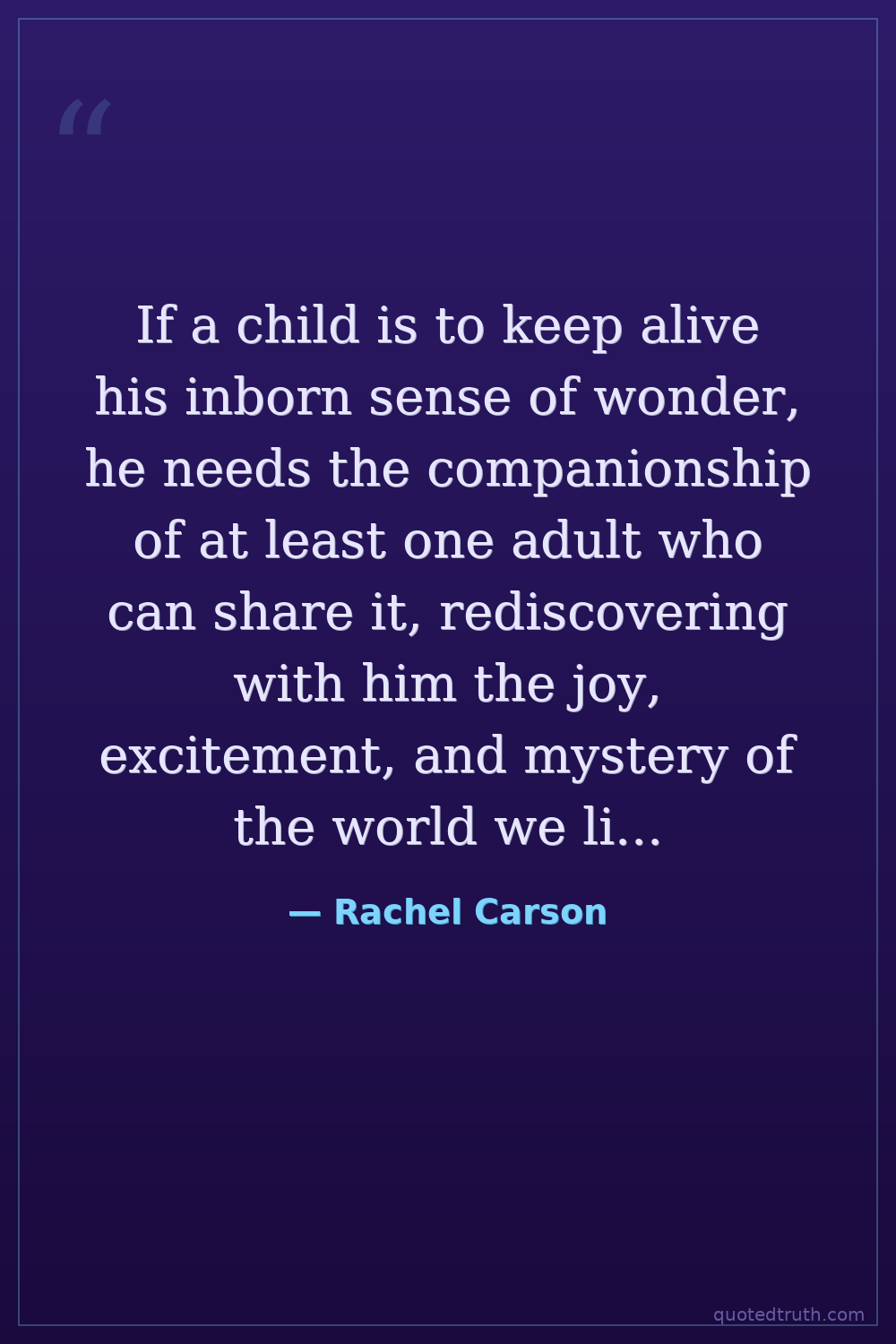
Children are born with natural curiosity and awe about the world, but that sense of wonder can fade as they grow up. Sustaining it requires connection — specifically, at least one adult who genuinely participates in discovery alongside the child, not as an instructor correcting facts but as a fellow wonderer. Shared awe keeps curiosity alive in ways that formal teaching alone cannot achieve.
Relevance to Rachel Carson
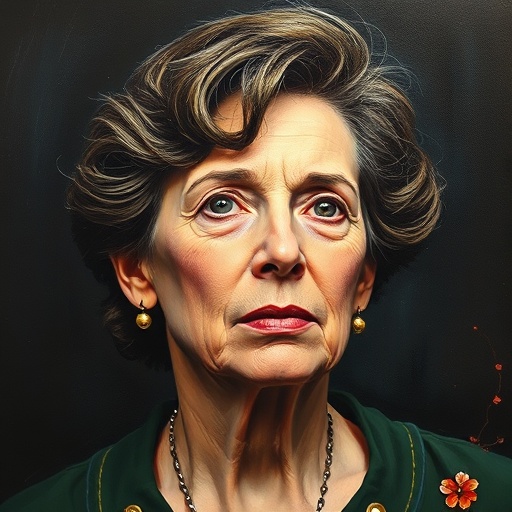
Carson was a marine biologist who practiced this philosophy personally, regularly exploring tidal pools and forests with her grandnephew Roger Christie — an experience that directly inspired her book 'The Sense of Wonder.' She believed scientific literacy began with emotional connection to the natural world. Her career was built on bridging expert knowledge and everyday reverence, making her ideally suited to argue that wonder is transmitted through relationship, not curriculum.
The era
Written in the late 1950s amid postwar suburban expansion, Cold War anxiety, and rising television consumption, when American children were growing increasingly disconnected from nature. Carson's 'Silent Spring' in 1962 then exposed how pesticides were silently devastating ecosystems. Her call to cultivate wonder was strategic as well as sentimental — she understood that environmental protection required a generation raised to feel genuine connection to the natural world, not merely exploit it.
AI-generated insights based on extensive research and information for context. Factual errors? Email [email protected].