What it means
When a vastly more advanced civilization encounters a less developed one, the weaker society typically suffers catastrophically — through conquest, disease, cultural erasure, or exploitation. The meeting isn't neutral; power asymmetry determines the outcome. Technological superiority historically translates into dominance, regardless of intent. An alien species capable of crossing interstellar distances would so outclass humanity that our survival or autonomy would depend entirely on their goodwill.
Relevance to Neil deGrasse Tyson
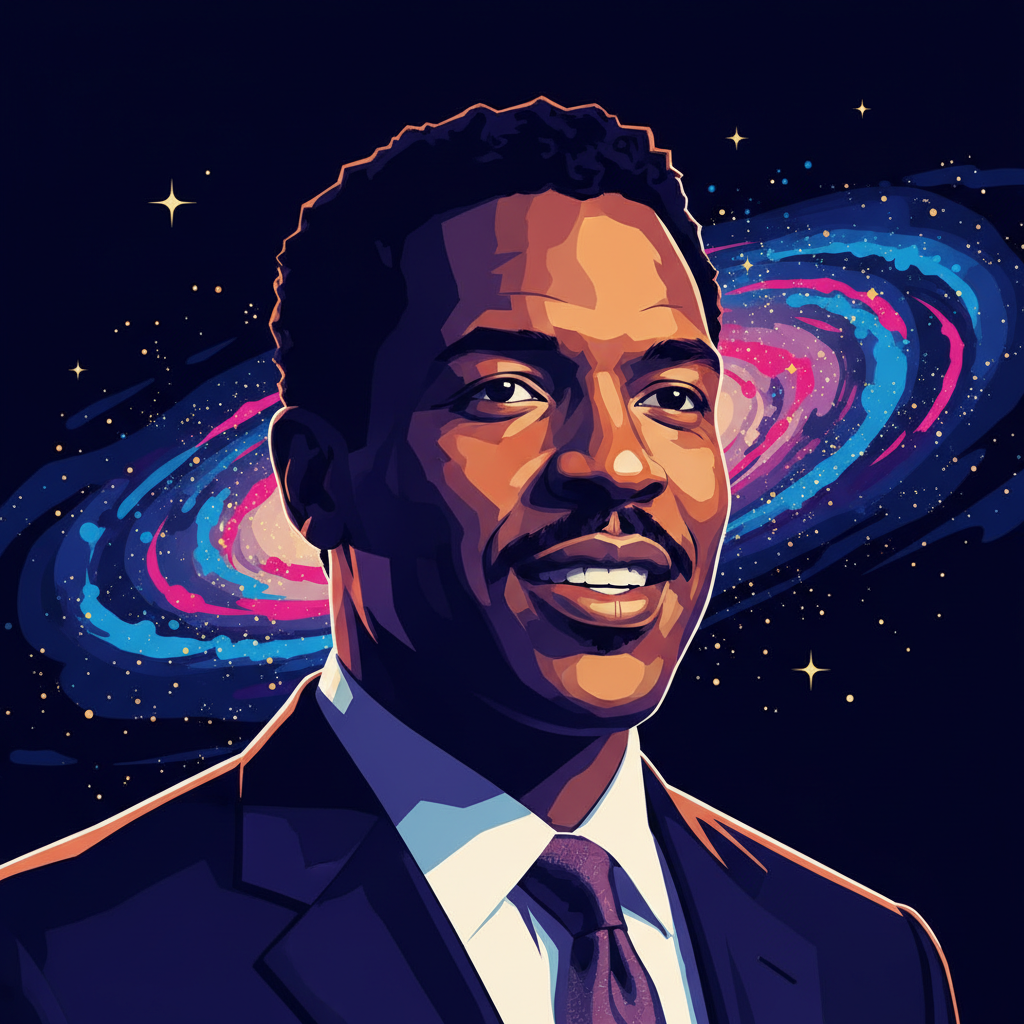
Tyson, as an astrophysicist and director of the Hayden Planetarium, regularly bridges cosmic science with human reality. His SETI skepticism reflects his evidence-based worldview — he doesn't romanticize first contact the way popular culture does. By invoking Columbus, he applies his signature approach: grounding abstract astronomical possibilities in concrete, uncomfortable historical precedent to provoke rigorous rather than wishful thinking.
The era
Tyson made this observation during an era of renewed SETI enthusiasm, exoplanet discoveries, and Hollywood blockbusters portraying benevolent or heroic alien encounters. Simultaneously, post-colonial scholarship was forcing deeper reckonings with European conquest's devastation. His quote collided these two cultural currents — space optimism and historical accountability — challenging audiences to confront humanity's own record before fantasizing about cosmic neighbors.
AI-generated insights based on extensive research and information for context. Factual errors? Email [email protected].