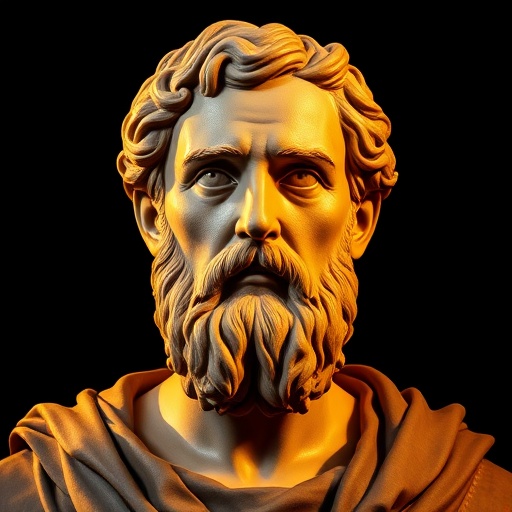
Saint Paul — "If anyone thinks that he is something when he is nothing, he deceives himself."
If anyone thinks that he is something when he is nothing, he deceives himself.
If anyone thinks that he is something when he is nothing, he deceives himself.
Click any product to generate a realistic preview. Up to 3 at a time.
* Initial load can take up to 90 seconds — revising the preview in another color is nearly instant.
"For Adam was first formed, then Eve. And Adam was not deceived, but the woman being deceived was in the transgression."
"For if the trumpet gives an uncertain sound, who will prepare for battle?"
"But if ye be led of the Spirit, ye are not under the law."
"Notwithstanding she shall be saved in childbearing, if they continue in faith and charity and holiness with sobriety."
"Therefore, if anyone is in Christ, he is a new creation. The old has passed away; behold, the new has come."
Found in 2 providers: grok,gemini
2 sources checked
Believing you're important or superior when you actually have no real substance or worth is self-deception. People inflate their own significance through ego, status, or imagined accomplishments, but this delusion only fools themselves. Honest self-assessment requires recognizing the gap between who you think you are and who you actually are. Pride blinds people to their actual limitations and shortcomings.
Paul wrote this in Galatians 6:3 after his dramatic conversion from Pharisee persecutor to apostle, a transformation that humbled his former religious pride. Once a privileged Roman citizen and elite Jewish scholar, he reframed his credentials as worthless compared to Christ. His letters repeatedly warn against spiritual arrogance, reflecting personal experience of how status and self-importance had previously blinded him to truth.
First-century Greco-Roman society was rigidly hierarchical, organized around honor, patronage, and public reputation. Social standing determined worth, and boasting was culturally expected among elites. Early Christian communities in Galatia faced internal disputes over status, circumcision, and which believers were spiritually superior. Paul's counter-cultural message challenged both Roman honor codes and Jewish religious pride, promoting radical equality among believers regardless of ethnicity, class, or gender.
AI-generated insights based on extensive research and information for context. Factual errors? Email [email protected].
Your cart is empty