What it means
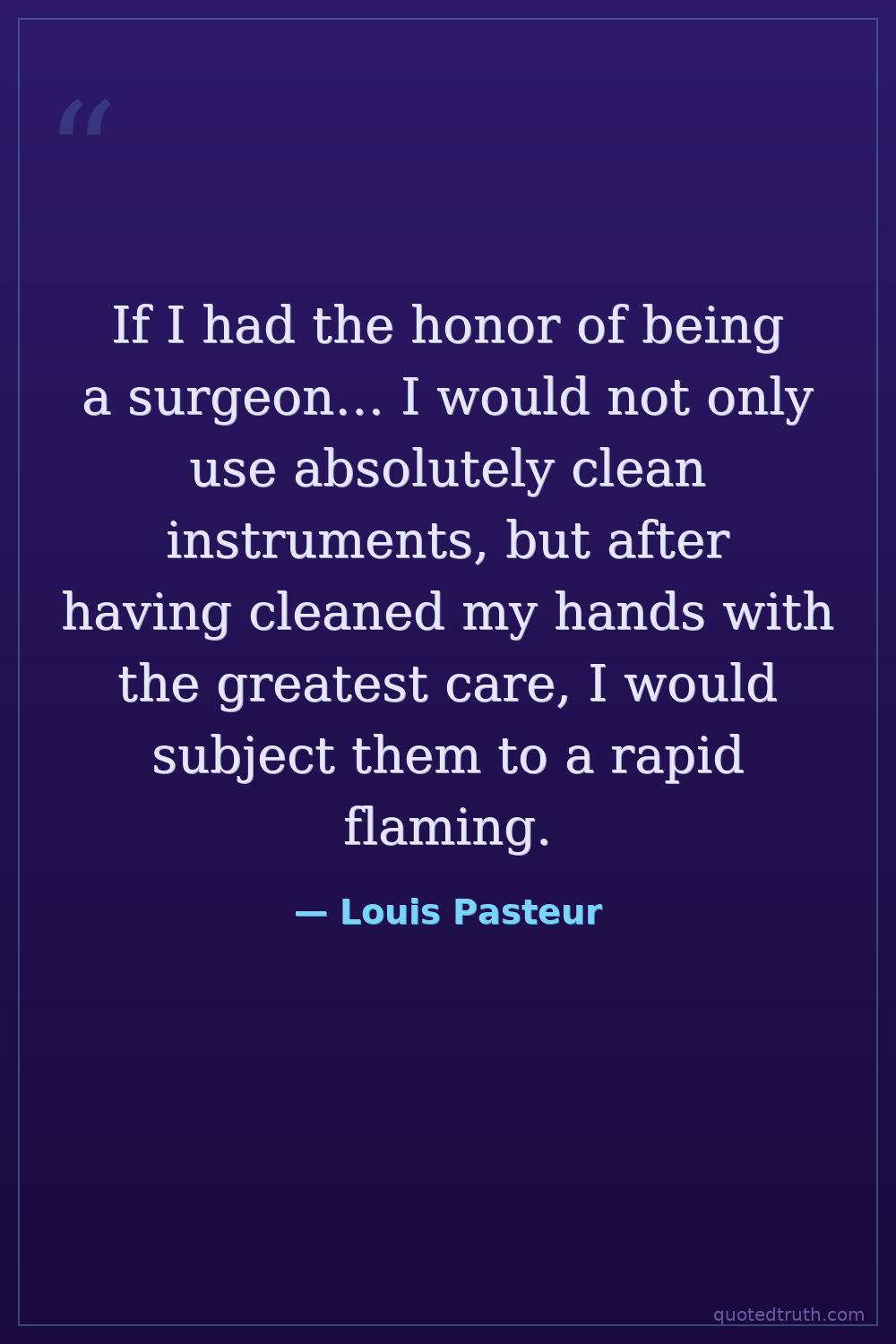
Pasteur is urging surgeons to treat their own hands and tools as potential carriers of invisible contamination. Washing alone is not enough; instruments and even scrubbed hands should be passed briefly through flame to destroy lingering microbes before touching a patient. The core idea is simple: unseen organisms cause infection, so anything that enters a wound must first be actively sterilized, not merely rinsed or wiped.
Relevance to Louis Pasteur
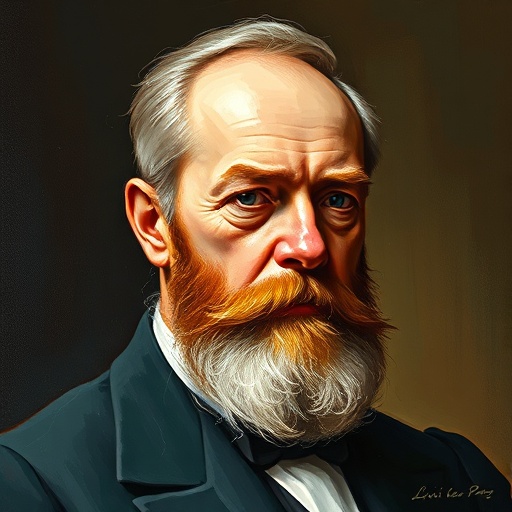
This captures Pasteur's life mission. Though a chemist, not a physician, he proved microbes cause disease, fermentation, and wound infection, overturning spontaneous generation. He championed heat sterilization, pioneered pasteurization, developed rabies and anthrax vaccines, and relentlessly pressed doctors to adopt aseptic technique. The quote shows his willingness to instruct surgeons directly, reflecting his conviction that rigorous laboratory standards, especially flame sterilization, belonged at the operating table to save lives.
The era
In the mid-to-late 1800s, surgical mortality from infection was catastrophic, with wards losing huge percentages of patients to gangrene, sepsis, and puerperal fever. Surgeons routinely operated in bloodstained coats with unwashed hands and reused tools. Pasteur's germ theory was still contested; Semmelweis had been dismissed, and Lister was just beginning carbolic antisepsis. Pasteur's call for flamed instruments was radical, aligning with the emerging antiseptic and aseptic movements that would transform nineteenth-century surgery and finally drive infection rates down.
AI-generated insights based on extensive research and information for context. Factual errors? Email [email protected].