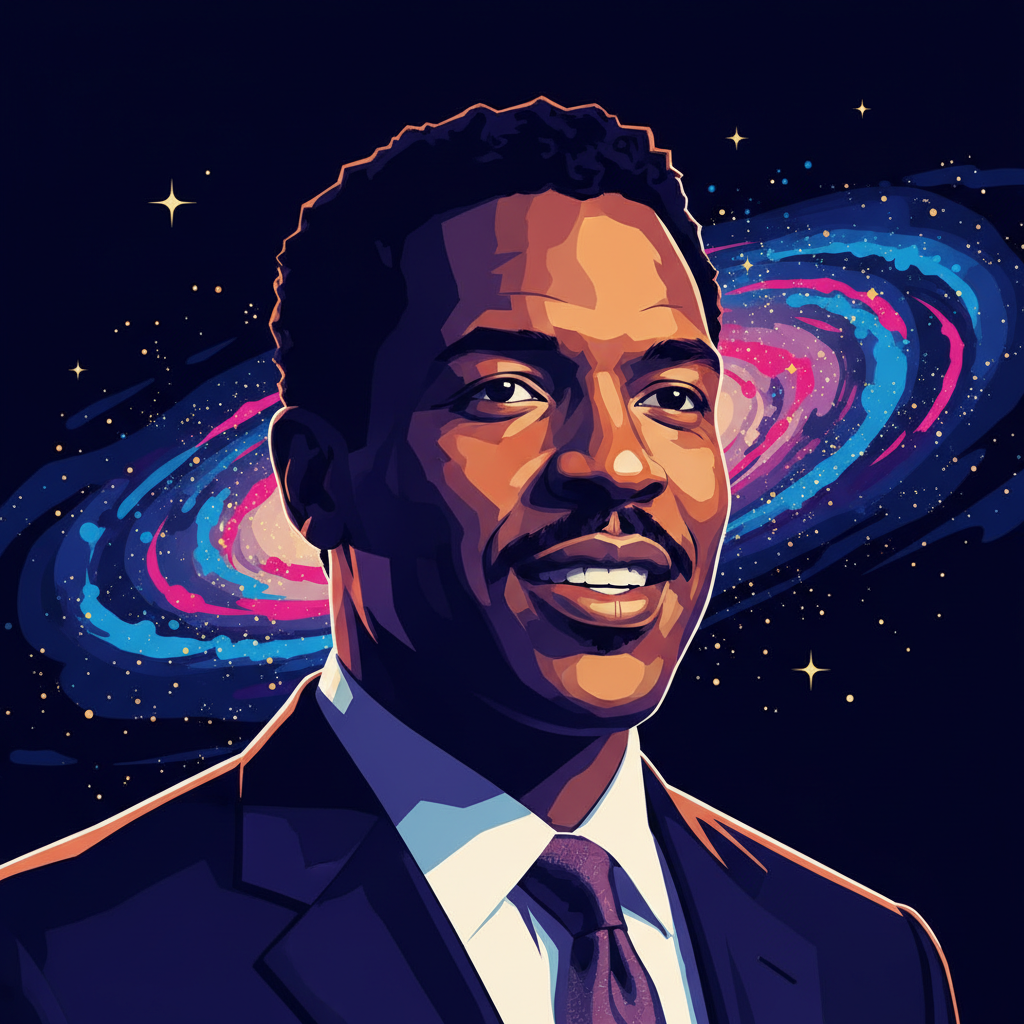
What it means
The term 'global warming' misleads people into thinking climate change only means higher temperatures. In reality, climate disruption makes weather patterns across the board more erratic and extreme — record cold snaps, unprecedented storms, unusual flooding, severe droughts. 'Global weirding' more accurately captures that the entire climate system is being destabilized, producing stranger and more unpredictable conditions everywhere, not simply a uniform temperature increase.
Relevance to Neil deGrasse Tyson
Tyson directs the Hayden Planetarium and has built his career on translating complex science into language the public grasps — hosting StarTalk Radio, writing popular books, and correcting scientific errors in films. He is obsessed with precision in scientific terminology because he understands that how a concept is named shapes how people think about it. This quote is pure Tyson: rejecting a technically incomplete label and replacing it with one that drives more accurate public intuition.
The era
This framing gained traction in the 2010s when climate skeptics routinely pointed to cold winters as proof against 'global warming,' exploiting the term's narrow literal meaning. Superstorm Sandy devastated the U.S. northeast in 2012, the polar vortex collapsed repeatedly, and California entered historic drought — all while debate remained politically paralyzed. Scientists were urgently trying to reframe public understanding away from 'warming equals hot everywhere' toward recognizing systemic climate instability and extreme variability.
AI-generated insights based on extensive research and information for context. Factual errors? Email [email protected].