What it means
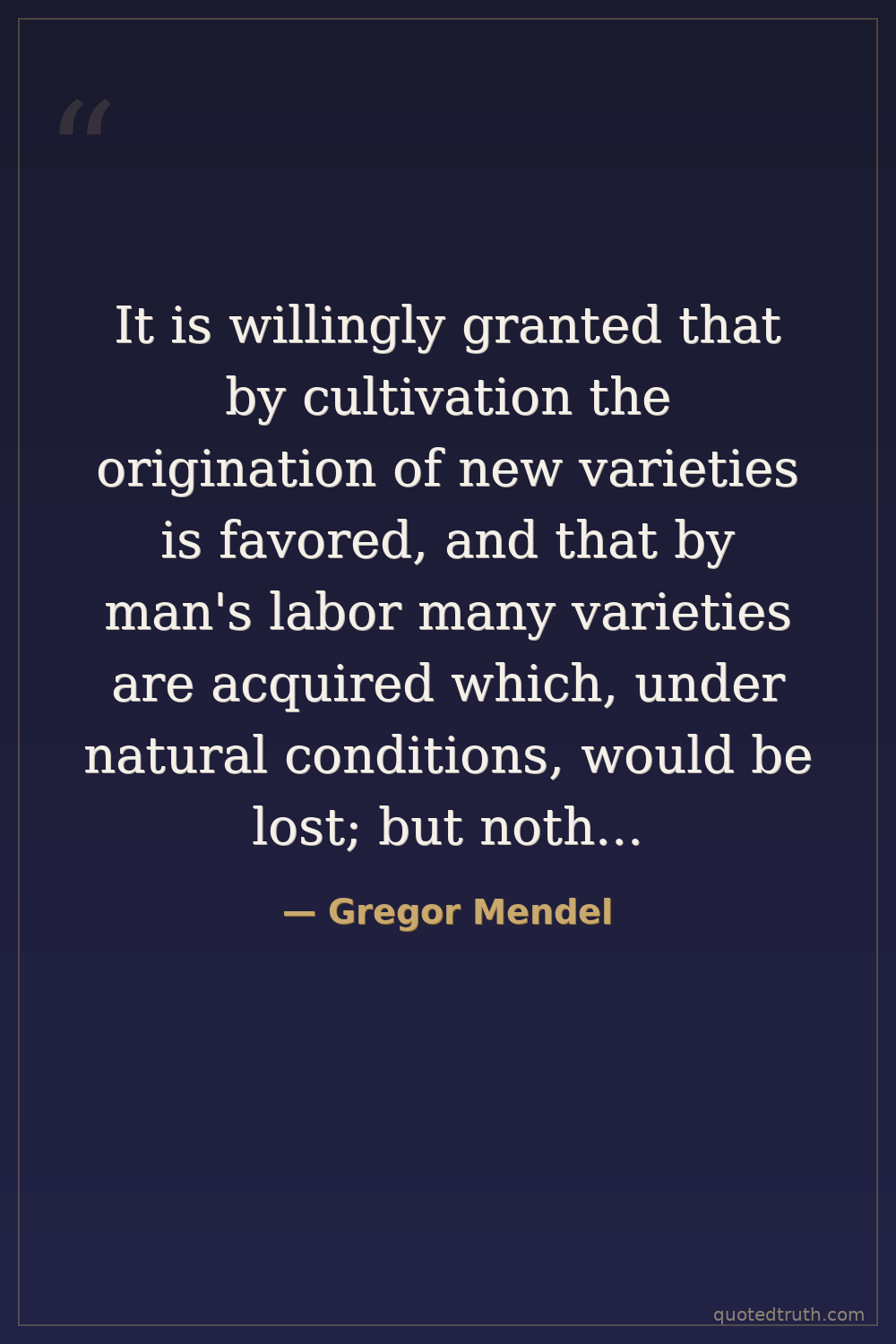
Mendel concedes that human cultivation encourages new varieties and preserves some that nature would eliminate. But he rejects the leap that this means species become infinitely unstable, endlessly diverging into chaos. His point: variation happens within limits. Species retain an underlying stability; breeding doesn't dissolve their essential nature into formless, unrecognizable offspring. Variety is real, but so is order.
Relevance to Gregor Mendel
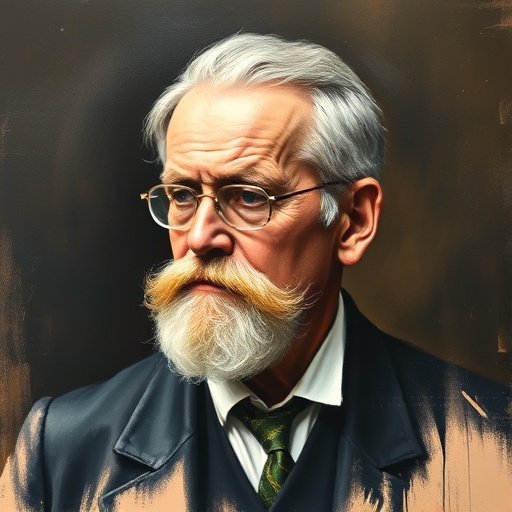
This quote mirrors Mendel's entire scientific project. His pea-plant experiments revealed that traits are inherited through discrete, stable factors—not through chaotic blending. He spent eight years documenting predictable ratios precisely because he believed heredity followed fixed rules. As an Augustinian friar trained in physics and mathematics, he trusted that nature operated lawfully. His defense of species stability here is the philosophical backbone behind his empirical genetics work.
The era
Mendel published his findings in 1866, seven years after Darwin's On the Origin of Species ignited fierce debate about whether species were stable or infinitely malleable. Post-Darwin, some naturalists feared evolution implied biological chaos—that selective breeding could dissolve species entirely. Agricultural breeders were also producing dramatic new varieties, heightening anxieties. Mendel was inserting mathematical rigor into this volatile conversation, arguing that observable variation and underlying hereditary stability were not contradictions.
AI-generated insights based on extensive research and information for context. Factual errors? Email [email protected].