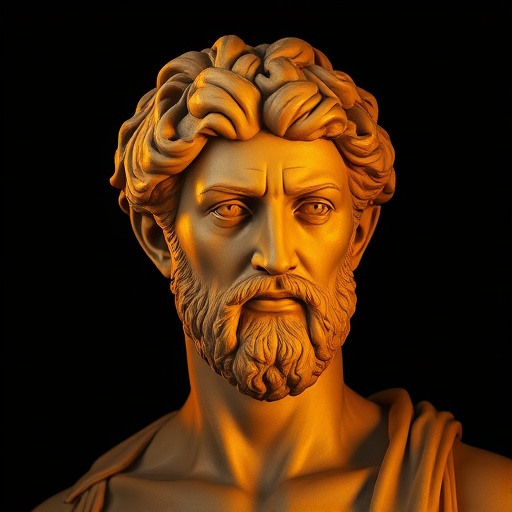
Ovid — "Longa mora est nobis omnis, quae gaudia differt."
Longa mora est nobis omnis, quae gaudia differt.
Longa mora est nobis omnis, quae gaudia differt.
Click any product to generate a realistic preview. Up to 3 at a time.
* Initial load can take up to 90 seconds — revising the preview in another color is nearly instant.
"Adde quod in magnis et laudem et lucra futuri."
"By the slow process of time, the hardest things are softened."
"The lover is ever fearful."
"Dripping water hollows out stone, not through force but through persistence."
"Credula res amor est."
Roman poet whose Metamorphoses (8 CE) is the longest surviving Latin poem and Western literature's main pagan-mythology source. Closely associated with Virgil (the Aeneid poet and other Augustan poetic giant) and Horace (third Augustan-era major poet). For an intellectual contrast, see Augustus, Roman emperor (27 BCE – 14 CE) — Augustus exiled Ovid to Tomis on the Black Sea in 8 CE, reasons tied to his erotic poetry (Ars Amatoria) and possible knowledge of imperial-family scandal — Augustus represented Roman moral-restoration politics that Ovid's witty erotic verse was structurally against.
Your cart is empty