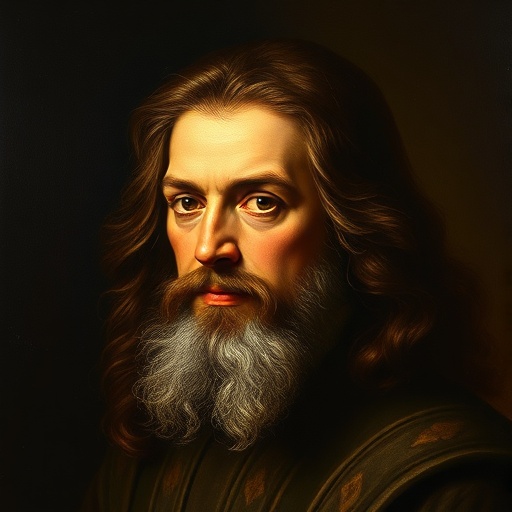
Leonardo da Vinci — "One can have no smaller or greater mastery than mastery of oneself."
One can have no smaller or greater mastery than mastery of oneself.
One can have no smaller or greater mastery than mastery of oneself.
Click any product to generate a realistic preview. Up to 3 at a time.
* Initial load can take up to 90 seconds — revising the preview in another color is nearly instant.
"Just as a well-filled day brings blessed sleep, so a well-employed life brings a blessed death."
"Experience does not err. Only your judgments err by expecting from her what is not in her power."
"Thou, O God, dost sell us all good things at the price of labour."
"Blinding ignorance does mislead us. O! Wretched mortals, open your eyes!"
"Oh, how many times have I been deceived by my own opinions!"
Found in 1 providers: grok
1 source checked
Self-mastery is simultaneously the most modest and most monumental achievement a person can reach. Controlling your own impulses, emotions, and habits sounds straightforward but demands relentless effort. Without it, external accomplishments are built on unstable ground. With it, every other skill or domain of knowledge becomes more achievable. Inner discipline is not a prerequisite to greatness — it is greatness itself, the foundation beneath everything else a person builds.
Leonardo filled over 13,000 notebook pages with anatomical studies, engineering sketches, and meticulous observations — evidence of extraordinary intellectual self-discipline. Yet he famously abandoned dozens of commissions, including the Adoration of the Magi and the Battle of Anghiari. This tension between fierce mastery of learning and inconsistent follow-through on projects suggests he understood the ideal intimately, embodied it in his study habits, and wrestled with it everywhere else.
The Italian Renaissance placed unprecedented value on individual human potential, reviving Stoic ideas about self-discipline from ancient philosophy. Humanism displaced purely theological frameworks for moral authority, making personal virtue and cultivated reason the marks of an educated person. The era also produced intense political instability across Italian city-states, where self-control under pressure — managing powerful patrons like the Sforzas and Medici — was a genuine survival skill.
AI-generated insights based on extensive research and information for context. Factual errors? Email [email protected].
Your cart is empty