Benjamin Franklin — "Pardoning the Bad, is injuring the Good."
Pardoning the Bad, is injuring the Good.
Pardoning the Bad, is injuring the Good.
Click any product to generate a realistic preview. Up to 3 at a time.
* Initial load can take up to 90 seconds — revising the preview in another color is nearly instant.
"To succeed, jump as quickly at opportunities as you do at conclusions."
"Who dainties love, shall beggars prove."
"He that is rich, and wants a reputation, may buy it dear. But he that is poor, and wants one, may buy it cheap."
"He that falls in love with himself will have no rivals."
"If you would be revenged of your enemy, govern yourself."
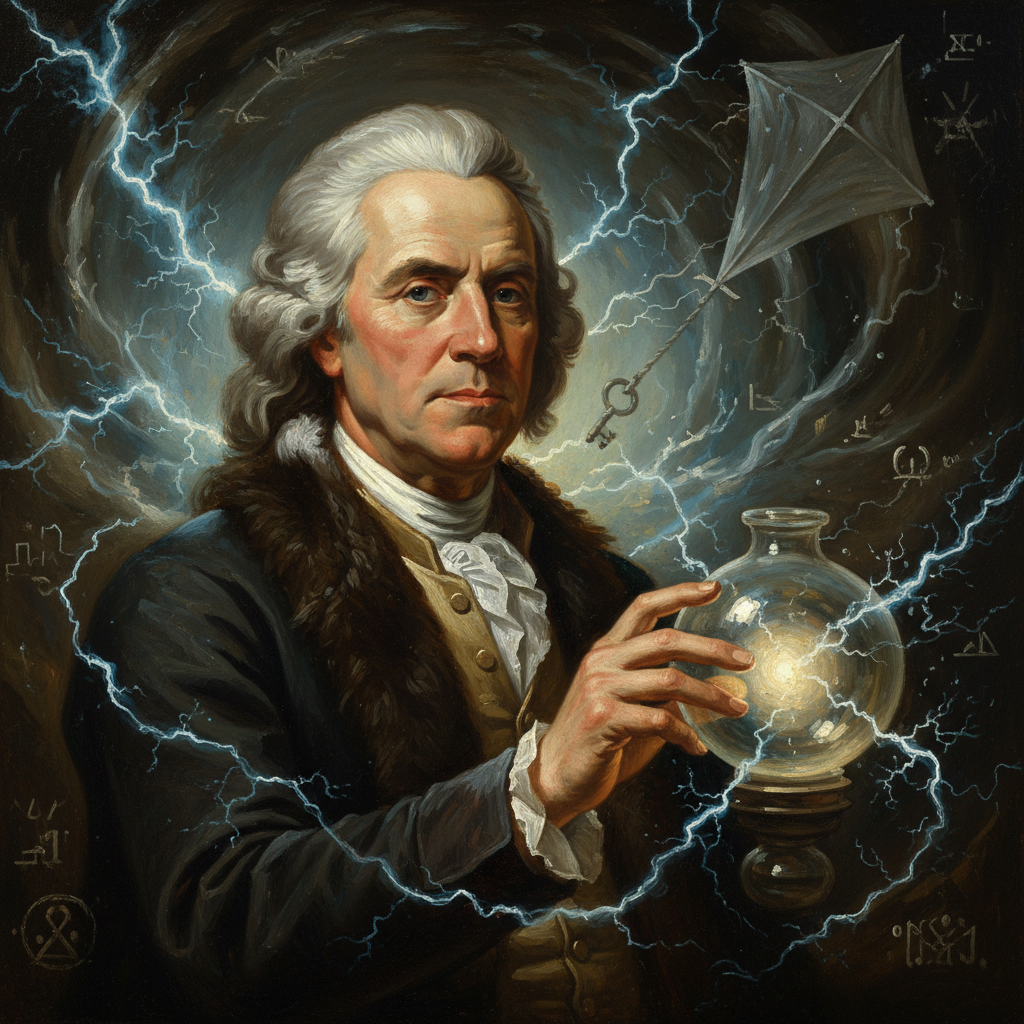
Polymath Founding Father, diplomat, and Poor Richard's Almanack author who helped draft the Declaration of Independence and the Constitution. Closely associated with John Adams (fellow Founder, Massachusetts statesman) and Thomas Jefferson (fellow Declaration drafter). For an intellectual contrast, see Thomas Hutchinson, last royal governor of colonial Massachusetts — Franklin leaked Hutchinson's loyalist correspondence to Boston in 1772 to inflame revolutionary sentiment — Hutchinson represented the colonial-aristocrat crown-loyalty that Franklin's revolution was organized to dismantle.
Found in 1 providers: grok
1 source checked
Excusing wrongdoers directly harms those who behave well. When bad behavior escapes consequences, it signals that rules are optional, undermining everyone who chose to follow them. Law-abiding people bear the costs of others' wrongs while offenders go free. Genuine justice requires accountability — clemency toward the guilty isn't compassion, it's a betrayal of the honest, who sacrificed something real to act rightly while others did not.
Franklin built Philadelphia's civic infrastructure — fire brigades, a library, a constabulary — on the principle that community trust depends on accountability. His Poor Richard's Almanack relentlessly tied virtue to tangible reward and vice to consequence. As a founding statesman, he understood that a republic survives only when citizens believe good conduct is protected. His life's work was proving that meritocracy functions — which collapses entirely if bad actors face no cost.
Colonial and Revolutionary America operated under fragile legal institutions where unpunished misconduct could unravel communities overnight. Enlightenment thinkers were reframing justice as rational and contractual rather than aristocratic or divine favor. Debt, frontier lawlessness, and political corruption were constant pressures. The new republic's legitimacy rested on citizens believing the law shielded the virtuous. Leniency toward wrongdoers didn't just offend morality — it threatened the social contract that justified self-governance at all.
AI-generated insights based on extensive research and information for context. Factual errors? Email [email protected].
Your cart is empty