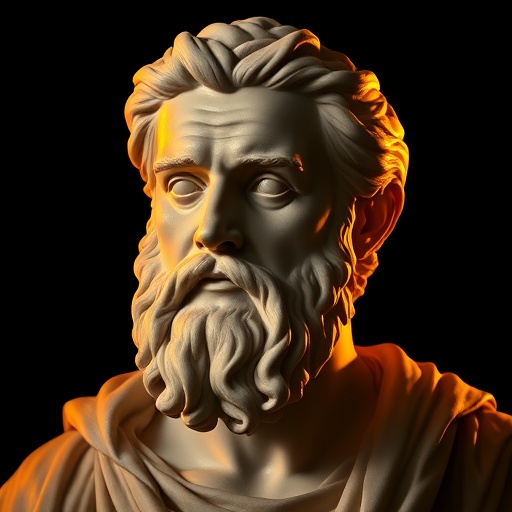
Hippocrates — "The belly is the beginning of all evil."
The belly is the beginning of all evil.
The belly is the beginning of all evil.
Click any product to generate a realistic preview. Up to 3 at a time.
* Initial load can take up to 90 seconds — revising the preview in another color is nearly instant.
"The body of man is a miniature of the world."
"The powers of drugs are not to be trusted, but the power of nature is to be trusted."
"The best physician is also a philosopher."
"The physician treats, but nature heals."
"The best thing is to prevent disease."
Found in 1 providers: grok
1 source checked
Overindulgence in food and appetite is the root of most human suffering — physical illness, weakened willpower, and poor judgment. When bodily cravings rule a person's choices, health deteriorates and moral discipline collapses. The belly stands for unchecked desire and gluttony. Controlling what you eat and drink isn't just about health; it's the foundation of a well-ordered life, preventing the cascade of problems that excess inevitably triggers.
Hippocrates built his entire medical system on diet and lifestyle as the primary drivers of health and disease. Practicing in 5th-century BCE Greece, he prescribed dietary changes before any other remedy and believed bodily imbalance — often caused by overeating — produced most illness. His clinical observations of wealthy patients suffering gout, obesity, and digestive ailments from excess feasting made this conviction central to his teachings and the Hippocratic tradition.
In 5th-4th century BCE Greece, medicine was transitioning from divine explanation to natural causation. Hippocrates practiced amid a culture where wealthy citizens indulged heavily in wine and food at symposia, producing visible illnesses physicians could observe. Meanwhile, philosophers like Socrates championed self-discipline and temperance. With no germ theory, dietary excess was the most obvious, controllable cause of disease, making restraint of appetite a cornerstone of both Hippocratic medicine and Greek moral philosophy.
AI-generated insights based on extensive research and information for context. Factual errors? Email [email protected].
Your cart is empty