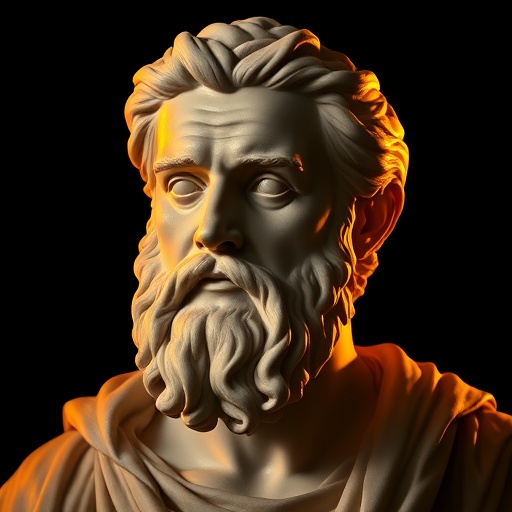
Hippocrates — "The best way to preserve health is to avoid disease."
The best way to preserve health is to avoid disease.
The best way to preserve health is to avoid disease.
Click any product to generate a realistic preview. Up to 3 at a time.
* Initial load can take up to 90 seconds — revising the preview in another color is nearly instant.
"Positive health requires a knowledge of man's primary constitution and of the powers of various foods, both those natural to them and those resulting from human skill. But eating alone is not enough f…"
"The powers of the physician are not in his drugs, but in his wisdom."
"A wise man should consider that health is the greatest of human blessings, and learn how by his own thought to derive benefit from his illnesses."
"The best physician is he who can cure the disease without drugs."
"If a man takes a bath, and has a fever, and afterward he has a chill, that is bad."
Found in 1 providers: gemini
1 source checked
Prevention is more effective than treatment. Rather than waiting for illness to strike and then attempting a cure — which in any era is costly, painful, and uncertain — the smarter strategy is eliminating the conditions that allow disease to develop. This principle underlies modern public health, vaccination programs, and lifestyle medicine: clean water, proper nutrition, and healthy habits do more for longevity than the best available treatments.
Hippocrates built his practice around regimen — the idea that diet, exercise, rest, and environment shape health outcomes. His treatises, including On Regimen and Airs, Waters, Places, document how lifestyle and surroundings cause or prevent illness. As a physician who rejected divine explanations for disease, he naturally concluded that managing life's conditions was medicine's highest calling. This quote is essentially the thesis underlying his entire body of work.
In 5th-century BCE Greece, most people attributed disease to divine wrath or mystical humor imbalances, seeking treatment at temples of Asclepius through prayer and ritual. Actual medical interventions were crude and often fatal. Hippocrates argued instead that natural causes — bad air, contaminated water, poor diet — drove illness, making prevention a rational and achievable strategy. That reframing from theology to observable nature made avoidance advice genuinely revolutionary.
AI-generated insights based on extensive research and information for context. Factual errors? Email [email protected].
Your cart is empty