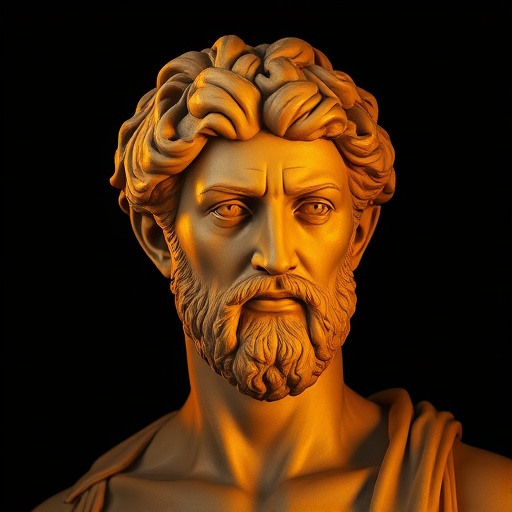
Ovid — "The burden which is well borne becomes light."
The burden which is well borne becomes light.
The burden which is well borne becomes light.
Click any product to generate a realistic preview. Up to 3 at a time.
* Initial load can take up to 90 seconds — revising the preview in another color is nearly instant.
"The gods assist the bold."
"Neither can the wave that has passed by be recalled, nor the hour which has passed return again."
"The gods acclaim the bold."
"The barbarian here is me, for I make no sense to anyone."
"Principiis obsta; sero medicina paratur cum mala per longas convaluere moras."
Roman poet whose Metamorphoses (8 CE) is the longest surviving Latin poem and Western literature's main pagan-mythology source. Closely associated with Virgil (the Aeneid poet and other Augustan poetic giant) and Horace (third Augustan-era major poet). For an intellectual contrast, see Augustus, Roman emperor (27 BCE – 14 CE) — Augustus exiled Ovid to Tomis on the Black Sea in 8 CE, reasons tied to his erotic poetry (Ars Amatoria) and possible knowledge of imperial-family scandal — Augustus represented Roman moral-restoration politics that Ovid's witty erotic verse was structurally against.
Your cart is empty