What it means
Cowpox has historically appeared only in specific regions. Jenner noticed that in those same areas, smallpox struck people less often and killed fewer of them. He's documenting an inverse relationship between the two diseases — a pattern suggesting cowpox exposure offers protection against smallpox. This epidemiological observation became the cornerstone of vaccination: deliberately exposing people to a mild disease to prevent a deadly one.
Relevance to Edward Jenner
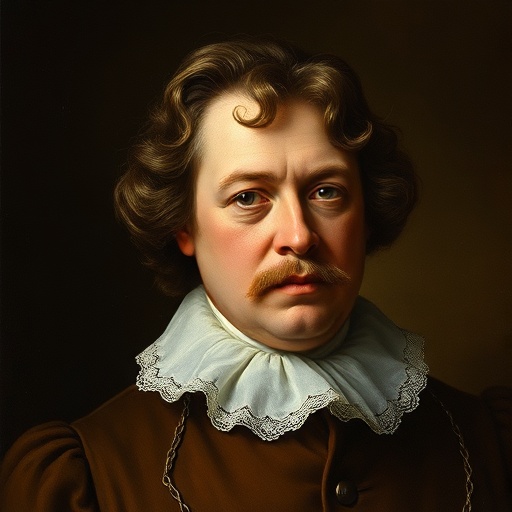
Jenner was a country physician in Gloucestershire who noticed milkmaids who contracted cowpox rarely got smallpox. He systematically documented geographic patterns before conducting his famous 1796 experiment on James Phipps. His empirical, evidence-based approach defined his character as a careful scientific observer. This quote captures his methodical documentation phase — building the case for vaccination from observable correlations before testing the hypothesis experimentally.
The era
In late 18th-century England, smallpox killed or disfigured hundreds of thousands annually. Variolation — deliberate infection with mild smallpox — existed but carried real risk of death or spreading disease. Working in a pre-germ-theory world where disease causation was poorly understood, Jenner's geographic correlation between cowpox prevalence and reduced smallpox mortality was revolutionary, suggesting nature itself offered a safer preventive mechanism than existing medical practice.
AI-generated insights based on extensive research and information for context. Factual errors? Email [email protected].