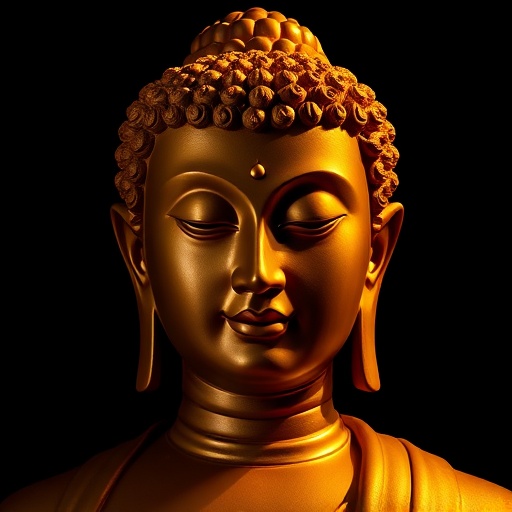
Siddhartha Gautama (Buddha) — "The gift of truth excels all other gifts."
The gift of truth excels all other gifts.
The gift of truth excels all other gifts.
Click any product to generate a realistic preview. Up to 3 at a time.
* Initial load can take up to 90 seconds — revising the preview in another color is nearly instant.
"Should a seeker not find a friend, wiser or better than himself, let him rather walk alone; there is no fellowship with fools."
"What is the world? It is a fleeting show, a transient dream. What is life? It is a momentary flash, a passing shadow."
"When watching after yourself, you watch after others. When watching after others, you watch after yourself."
"The root of suffering is attachment."
"It is during our darkest moments that we must focus to see the light."
From the Dhammapada (Verse 354), a teaching on the value of truth
Date: c. 5th-6th Century BCE
PhilosophicalFound in 1 providers: gemini
1 source checked
Sharing honest, accurate understanding with someone is more valuable than any material present you could offer. Money, objects, and favors fade or get used up, but giving someone a clear view of reality equips them to make better decisions for the rest of their life. Truth compounds, while possessions depreciate, so passing along genuine knowledge is the most generous thing one person can do for another.
The Buddha spent forty-five years after his enlightenment walking across northern India teaching the Four Noble Truths and the Eightfold Path rather than hoarding insight or charging fees. He refused royal inheritance, lived on alms, and measured his legacy entirely in the clarity he passed to students. For him, dharma itself was the ultimate offering, so ranking truth above every other gift directly mirrors how he structured his own daily conduct.
In fifth-century-BCE India, religious authority sat with Brahmin priests who sold elaborate rituals, animal sacrifices, and ceremonial gifts as the path to merit. Wealthy patrons competed to fund temples and feed priests, treating generosity as transactional. The Buddha's shramana movement challenged this economy by declaring that accurate insight into suffering outweighed any ritual donation, undercutting the caste-based spiritual marketplace and redirecting merit toward teaching rather than ceremonial expenditure.
AI-generated insights based on extensive research and information for context. Factual errors? Email [email protected].
Your cart is empty