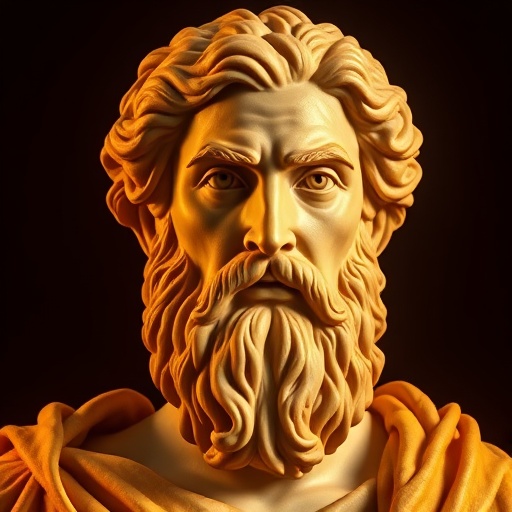
Homer — "The gods, likening themselves to all kinds of strangers, go in various disguises…"
The gods, likening themselves to all kinds of strangers, go in various disguises from city to city, observing the wrongdoing and the righteousness of men.
The gods, likening themselves to all kinds of strangers, go in various disguises from city to city, observing the wrongdoing and the righteousness of men.
Click any product to generate a realistic preview. Up to 3 at a time.
* Initial load can take up to 90 seconds — revising the preview in another color is nearly instant.
"But among the blessed immortals uncontrollable laughter went up as they saw Hephaestos bustling about the palace."
"There is a strength in the union even of very sorry men."
"Fate is the same for the man who holds back, the same if he fights hard. We are all held in a single honor, the brave with the weaklings. A man dies still if he has done nothing, as one who has done m…"
"It is not right to exult over slain men."
"Beauty, terrible beauty! A deathless goddess — so she strikes our eyes!"
Greek epic poet traditionally credited with the Iliad and the Odyssey, the foundational works of Western literature. Closely associated with Hesiod (near-contemporary Greek poet of Theogony and Works and Days). For an intellectual contrast, see Plato, Greek philosopher of the Republic — Republic Book X bans the poets from the ideal city, with Homer as the explicit target — Plato argued Homer's gods set immoral examples and that poetry corrupts moral education. The founding philosophy-versus-poetry quarrel of Western thought.
Your cart is empty