What it means
Skilled conversation means steering talk toward your preferred topics without making it obvious you're redirecting the discussion. True conversational mastery is making others feel heard while you quietly guide the exchange. It's about tact and social intelligence — transitioning so smoothly that your subject seems like a natural continuation of what others said, rather than a self-interested takeover of the dialogue.
Relevance to Benjamin Franklin
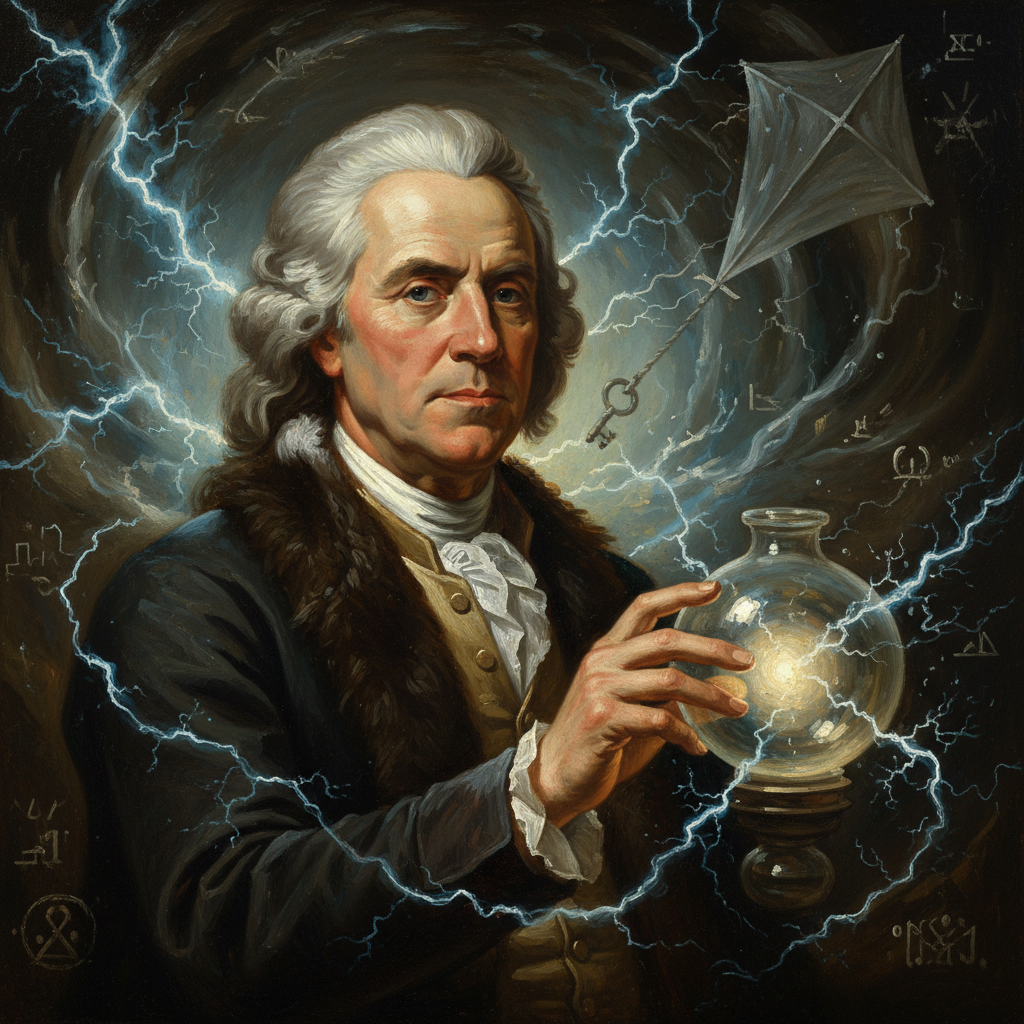
Franklin was a master networker and diplomat whose entire career ran on winning rooms. He founded the Junto debating club to sharpen persuasion, and in Paris salons charmed French nobles and philosophes to secure Revolutionary War alliances. As printer, politician, scientist, and diplomat simultaneously, he could never rely on rank or force — only the ability to guide powerful people toward his agenda while making them feel it was their own idea.
The era
In 18th-century Enlightenment culture, coffee houses, salons, and gentlemen's clubs were the primary arenas of political and intellectual power. Conversation was a performing art; reputations rose and fell on wit and rhetoric. The era prized 'politeness' as a civic virtue — crude self-promotion was socially disqualifying — so the ability to advance one's agenda through elegant, seemingly selfless dialogue was considered the mark of a truly cultivated and effective man.
AI-generated insights based on extensive research and information for context. Factual errors? Email [email protected].