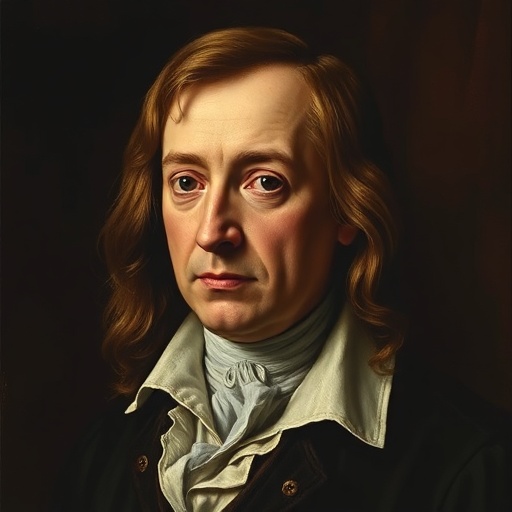
John Milton — "The greatest part of men are but a rude multitude, and have no more sense of thi…"
The greatest part of men are but a rude multitude, and have no more sense of things than children.
The greatest part of men are but a rude multitude, and have no more sense of things than children.
Click any product to generate a realistic preview. Up to 3 at a time.
* Initial load can take up to 90 seconds — revising the preview in another color is nearly instant.
"Chaos umpire sits, and by decision more embroils the fray by which he reigns: next him high arbiter Chance governs all."
"All is not lost, the unconquerable will, And study of revenge, immortal hate, And courage never to submit or yield."
"Hence, loathed Melancholy, Of Cerberus and blackest Midnight born, In Stygian cave forlorn."
"Methinks I see in my mind a noble and puissant Nation rousing herself like a strong man after sleep, and shaking her invincible locks."
"And the great Emathian conqueror bid spare The house of Pindarus, when temple and tow'r Went to the ground."
English poet whose Paradise Lost (1667) is the canonical English epic, written while blind during the Restoration after his service to Cromwell's Commonwealth. Closely associated with Andrew Marvell (Commonwealth poet and friend who protected Milton at the Restoration). For an intellectual contrast, see King Charles II's Restoration court, the courtly, sexually-libertine, theater-reopened world of 1660s London — Milton wrote Paradise Lost as a defeated Republican; the Restoration culture around him celebrated everything his Commonwealth had banned. The cleanest 'losing side writes the masterpiece' moment in English literature — Paradise Lost's Satan is freighted with the political defeat of the regicides Milton served.
Your cart is empty