Arthur Conan Doyle — "The ideal reasoner would, when he had once been shown a single fact in all its b…"
The ideal reasoner would, when he had once been shown a single fact in all its bearings, deduce from it not only all the chain of events which had preceded it but also all the ramifications which would follow.
Click any product to generate a realistic preview. Up to 3 at a time. * Initial load can take up to 90 seconds — revising the preview in another color is nearly instant.
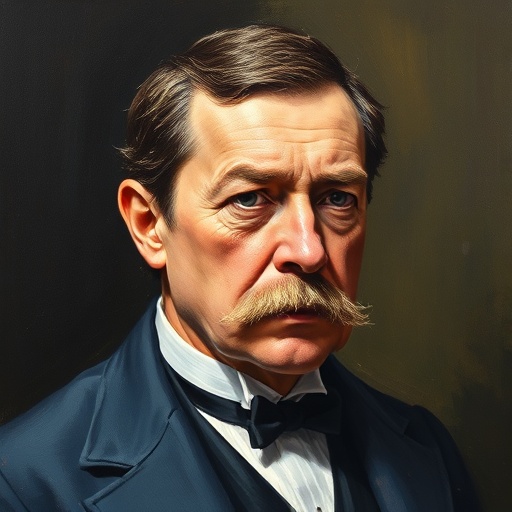
Scottish physician and author whose Sherlock Holmes (created 1887) became the most-portrayed literary character in film and television history.
Closely associated with
G.K. Chesterton (Father Brown detective creator and Edwardian contemporary) and Wilkie Collins (earlier detective-fiction predecessor (The Moonstone)).
For an intellectual contrast, see
Harry Houdini, American escape artist and skeptic — Houdini publicly debunked the spiritualist mediums Doyle endorsed; Doyle insisted Houdini was secretly using real psychic powers. Their 1920s friendship-then-feud is the cleanest 'magician's debunking vs Sherlock-Holmes-author's credulity' irony in cultural history — the rationalist's creator believed the impossible.