What it means
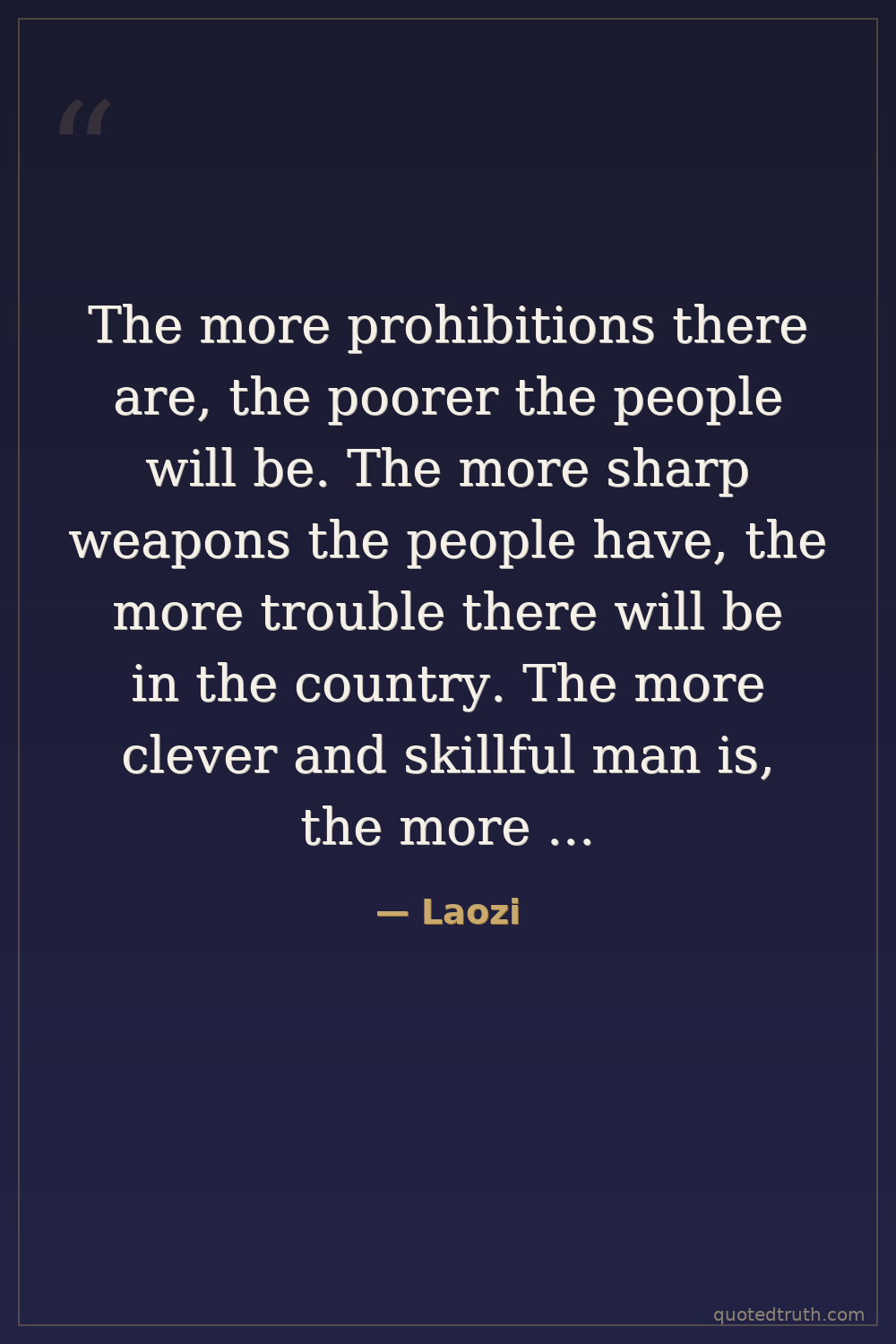
Excessive control backfires. When rulers pile on rules, bans, and punishments, ordinary people get squeezed into poverty and pushed into breaking laws just to survive. Arming the population or chasing clever innovations creates instability and weird new problems rather than solving old ones. The more you try to micromanage society through force, cleverness, or legislation, the worse things get. Real order comes from lighter governance, not tighter grips.
Relevance to Laozi
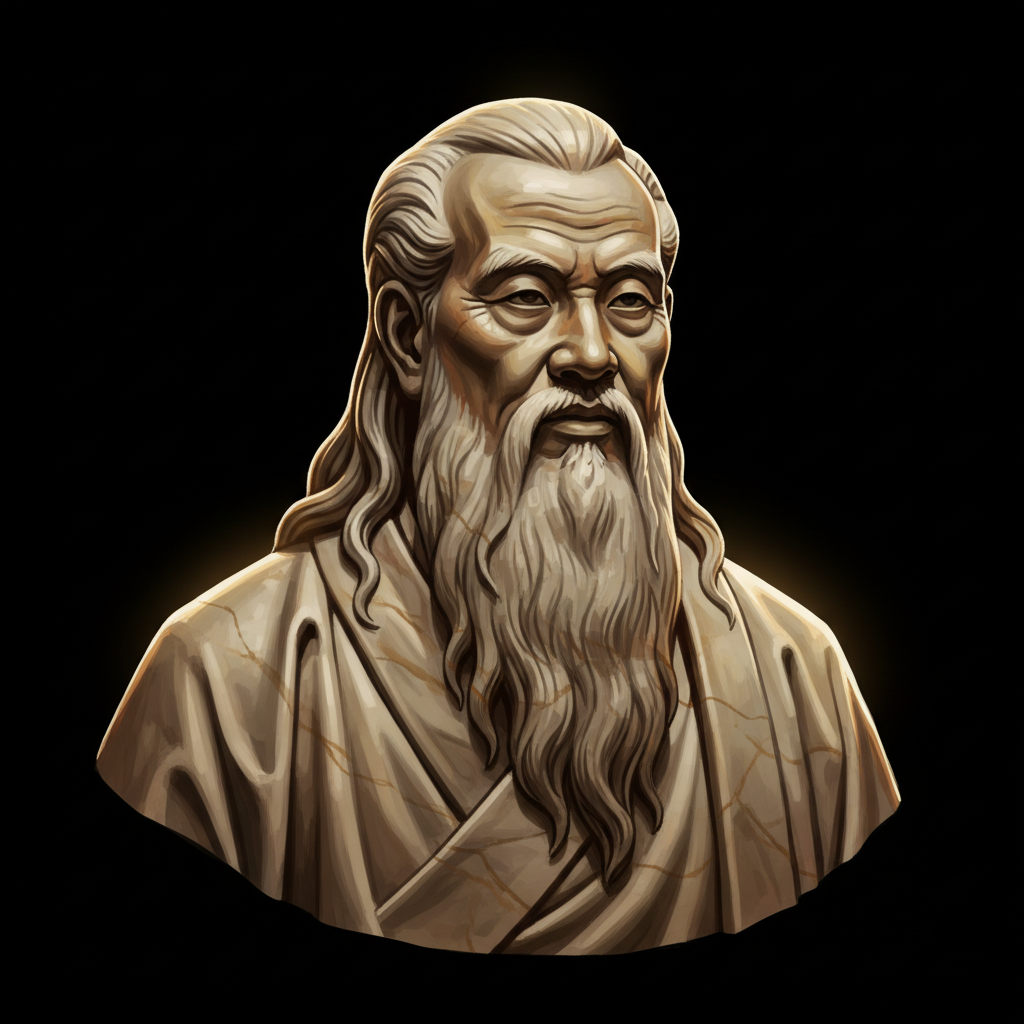
Laozi worked as an archivist in the Zhou royal court, watching bureaucracy and legal codes multiply as the dynasty decayed. His core teaching, wu wei, means effortless non-interference, letting things follow their natural course. He ultimately left civilization in disgust, reportedly riding west on a water buffalo. This passage distills his entire political philosophy: the sage-ruler governs least, trusts the Tao, and refuses to impose order through prohibitions or cleverness.
The era
Laozi lived during the late Zhou era, likely the Spring and Autumn period around the 6th century BCE, as centralized authority crumbled and rival states fought constantly. Legalist thinkers were pushing harsh laws, heavy surveillance, and militarization to tighten control. Warfare, taxation, and conscription devastated peasants. Laozi wrote as a direct rebuttal: the very tools rulers used to restore order, strict codes and sharp weapons, were manufacturing the chaos they claimed to fix.
AI-generated insights based on extensive research and information for context. Factual errors? Email [email protected].