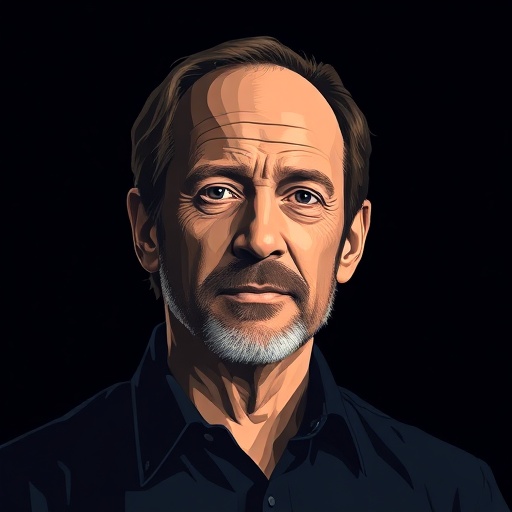
Tim Berners-Lee — "The most important thing for the web is to remain open and royalty-free."
The most important thing for the web is to remain open and royalty-free.
The most important thing for the web is to remain open and royalty-free.
Click any product to generate a realistic preview. Up to 3 at a time.
* Initial load can take up to 90 seconds — revising the preview in another color is nearly instant.
"I didn't invent the internet. I invented the World Wide Web. The internet was already there."
"The web is a living thing. It's constantly changing and growing."
"The Web does not just connect machines, it connects people."
"The web should be a place where everyone can share their ideas and connect with each other."
"The web is a tool for empowerment, but it can also be used for oppression."
British computer scientist who invented the World Wide Web at CERN in 1989 and founded the W3C, championing open web standards. Closely associated with Vint Cerf (TCP/IP co-creator and 'father of the internet') and Marc Andreessen (Mosaic browser creator and Netscape co-founder). For an intellectual contrast, see Mark Zuckerberg, Facebook (Meta) founder — Zuckerberg's walled-garden Facebook is the canonical contemporary opposite of Berners-Lee's open-web vision; Berners-Lee's Solid project and 'recapture the web' essays are explicitly written as a rebuttal to the platform-monopoly model Facebook pioneered.
Found in 1 providers: grok
1 source checked
Keeping the web open means anyone can build on it without paying fees or asking permission. No single company or government owns the protocols. This structural openness is what allowed billions of people to publish, communicate, and innovate freely — rather than the web becoming a toll road controlled by whoever got there first.
Berners-Lee invented the web in 1989 at CERN and immediately surrendered all patents, refusing to monetize his creation. He consistently fought against proprietary web standards and founded the W3C to maintain open governance. His entire career embodies this principle — he could have become the world's wealthiest person but chose universal access over personal profit.
In the 1990s, tech companies like Microsoft and AOL actively fought to control internet access through proprietary protocols and walled gardens. Patent wars over digital formats were common. Berners-Lee's insistence on royalty-free standards was a direct counter to this commercialization pressure, ensuring the web didn't fragment into competing pay-to-access ecosystems.
AI-generated insights based on extensive research and information for context. Factual errors? Email [email protected].
Your cart is empty