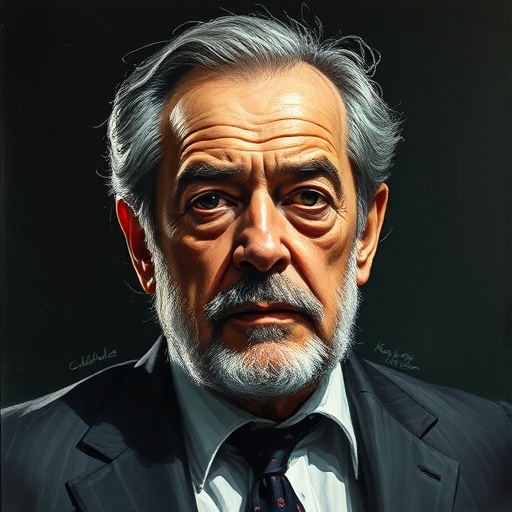
Stanley Kubrick — "The purpose of art is to make you think, to make you feel, to make you question …"
The purpose of art is to make you think, to make you feel, to make you question the world around you.
The purpose of art is to make you think, to make you feel, to make you question the world around you.
Click any product to generate a realistic preview. Up to 3 at a time.
* Initial load can take up to 90 seconds — revising the preview in another color is nearly instant.
"The great nations have always acted like gangsters, and the small nations like prostitutes."
"I think that the big problem with people is that they don't know how to live."
"I think the big mistake in schools is to try to teach children to be like adults."
"No. To see a film once and write a review is an absurdity. Yet very few critics ever see a film twice or write about films from a leisurely, thoughtful perspective."
"Never, ever go near power. Don't become friends with anyone who has real power. It's dangerous."
American filmmaker (2001: A Space Odyssey, Dr. Strangelove, The Shining) whose perfectionist year-long shoots and 100-take method redefined auteurist cinema. Closely associated with Orson Welles (auteur predecessor and Citizen Kane director) and Steven Spielberg (younger collaborator (A.I. Artificial Intelligence)). For an intellectual contrast, see Quentin Tarantino, postmodern American filmmaker — Kubrick's films erase influences into singular monolithic vision; Tarantino's foreground every reference as a deliberate tribute. The two opposite ways auteurist cinema can be made.
Your cart is empty