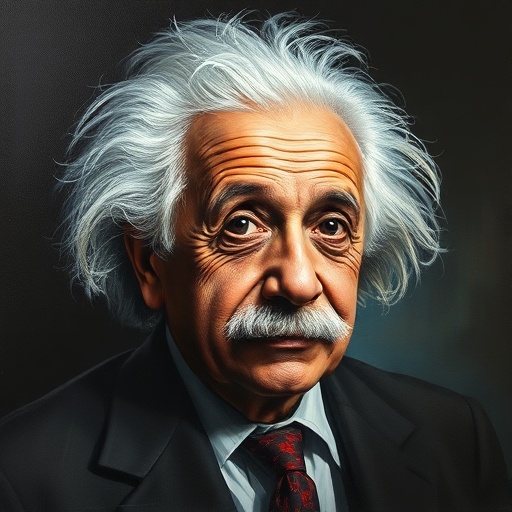
Albert Einstein — "The value of a man should be seen in what he gives and not in what he is able to…"
The value of a man should be seen in what he gives and not in what he is able to receive.
The value of a man should be seen in what he gives and not in what he is able to receive.
Click any product to generate a realistic preview. Up to 3 at a time.
* Initial load can take up to 90 seconds — revising the preview in another color is nearly instant.
"It is not the critic who counts; not the man who points out how the strong man stumbles, or where the doer of deeds could have done them better. The credit belongs to the man who is actually in the ar…"
"Sometimes one has to look at the world from a distance to appreciate its beauty."
"It is not the critic who counts; not the man who points out how the strong man stumbles, or where the doer of deeds could have done them better. The credit belongs to the man who is actually in the ar…"
"The most beautiful emotion we can experience is the mystical. It is the sower of all true art and science."
"Great spirits have always encountered violent opposition from mediocre minds."
Found in 1 providers: grok
1 source checked
A person's worth is measured by their contributions to others, not by their capacity to accumulate wealth, status, or recognition. True value lies in generosity, service, and what one offers the world rather than what one can extract from it. This reframes success from personal gain to collective benefit.
Einstein lived this principle: he gave away scientific knowledge freely, refused lucrative commercial opportunities, and dedicated himself to pacifism and civil rights. Despite celebrity status after 1919, he rejected materialism, lived modestly in Princeton, and spent his later years advocating for nuclear disarmament and global cooperation rather than personal enrichment.
Einstein wrote during the rise of industrial capitalism, two World Wars, and the Great Depression, periods when wealth concentration, nationalism, and power defined human worth. His statement challenged a world obsessed with acquisition and dominance, positioning moral contribution over economic productivity at a moment when both fascism and unchecked capitalism were measuring human value by output and racial hierarchy.
AI-generated insights based on extensive research and information for context. Factual errors? Email [email protected].
Your cart is empty