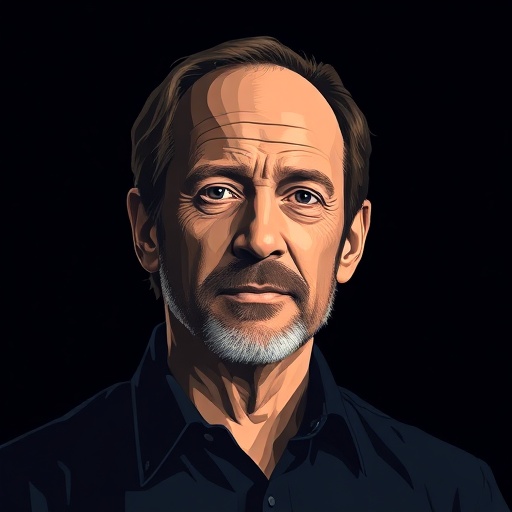
Tim Berners-Lee — "The web is a platform for humanity, and we need to fight for it."
The web is a platform for humanity, and we need to fight for it.
The web is a platform for humanity, and we need to fight for it.
Click any product to generate a realistic preview. Up to 3 at a time.
* Initial load can take up to 90 seconds — revising the preview in another color is nearly instant.
"The web is a powerful tool, and with great power comes great responsibility."
"I didn’t invent the web for people to waste time on it."
"I'm concerned about the way the web is being used to spread misinformation and manipulate people."
"The web is broken, and we need to fix it. It's a moral imperative."
"I believe in the power of the web to transform lives."
British computer scientist who invented the World Wide Web at CERN in 1989 and founded the W3C, championing open web standards. Closely associated with Vint Cerf (TCP/IP co-creator and 'father of the internet') and Marc Andreessen (Mosaic browser creator and Netscape co-founder). For an intellectual contrast, see Mark Zuckerberg, Facebook (Meta) founder — Zuckerberg's walled-garden Facebook is the canonical contemporary opposite of Berners-Lee's open-web vision; Berners-Lee's Solid project and 'recapture the web' essays are explicitly written as a rebuttal to the platform-monopoly model Facebook pioneered.
Found in 1 providers: grok
1 source checked
The internet is not merely a commercial or technical tool — it belongs to all people and must be actively defended against those who would exploit, restrict, or corrupt it. Passive acceptance is not enough; preserving the web's openness and democratic nature requires deliberate, ongoing effort from its users, builders, and policymakers alike.
Berners-Lee invented the web in 1989 and deliberately gave it away royalty-free, rejecting personal profit to ensure universal access. He founded the World Wide Web Consortium and later the Web Foundation, spending decades fighting surveillance capitalism, paywalls, and centralization — living proof that he views the web as a shared human inheritance worth protecting.
Berners-Lee made this case prominently in the 2010s–2020s as Facebook, Google, and governments fragmented the open web through data harvesting, censorship, and platform monopolies. The Cambridge Analytica scandal, GDPR debates, net neutrality battles, and authoritarian internet shutdowns globally underscored that the web's founding ideals of openness were genuinely under threat.
AI-generated insights based on extensive research and information for context. Factual errors? Email [email protected].
Your cart is empty