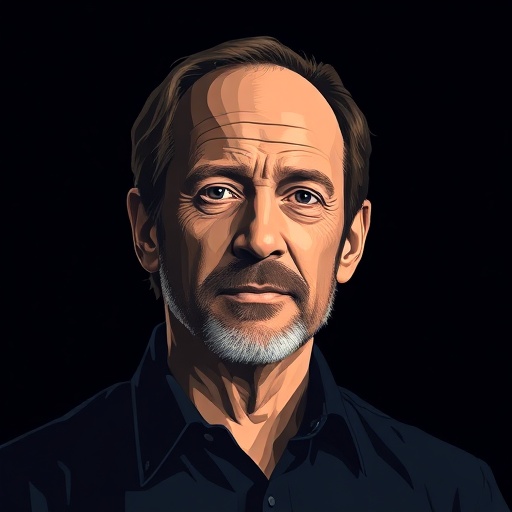
Tim Berners-Lee — "The web is a work in progress. We need to keep working on it to make it better."
The web is a work in progress. We need to keep working on it to make it better.
The web is a work in progress. We need to keep working on it to make it better.
Click any product to generate a realistic preview. Up to 3 at a time.
* Initial load can take up to 90 seconds — revising the preview in another color is nearly instant.
"The web is not about technology, it's about people."
"The web is broken, and we need to fix it."
"We need to make sure the web is a force for good, not evil."
"If you put everything on the web, then the world will be a better place. You will be a better person."
"I'm concerned about the way the web is being used to spread misinformation and manipulate people."
British computer scientist who invented the World Wide Web at CERN in 1989 and founded the W3C, championing open web standards. Closely associated with Vint Cerf (TCP/IP co-creator and 'father of the internet') and Marc Andreessen (Mosaic browser creator and Netscape co-founder). For an intellectual contrast, see Mark Zuckerberg, Facebook (Meta) founder — Zuckerberg's walled-garden Facebook is the canonical contemporary opposite of Berners-Lee's open-web vision; Berners-Lee's Solid project and 'recapture the web' essays are explicitly written as a rebuttal to the platform-monopoly model Facebook pioneered.
Found in 1 providers: grok
1 source checked
The internet is not finished or perfect — it requires ongoing effort, collaboration, and improvement. Progress isn't automatic; people must actively shape technology toward better outcomes. This rejects complacency and treats the web as a living system that demands continuous stewardship rather than something completed and handed off to users.
Berners-Lee invented the World Wide Web in 1989 and gave it away freely, then spent decades advocating through the World Wide Web Consortium (W3C) and Web Foundation. His campaigns against surveillance, misinformation, and the centralization of power by tech giants show his personal commitment to active stewardship over passive invention.
By the 2010s the web had become dominated by a handful of platforms, mass surveillance was exposed by Snowden in 2013, misinformation spread virally, and the open idealism of the early web seemed threatened. Berners-Lee's reminder that the web needs work responded directly to these structural failures emerging in a medium he had designed to be open and decentralized.
AI-generated insights based on extensive research and information for context. Factual errors? Email [email protected].
Your cart is empty