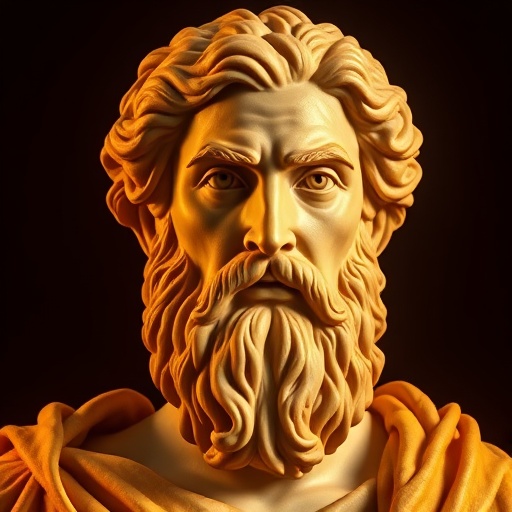
Homer — "The wise man chooses well."
The wise man chooses well.
The wise man chooses well.
Click any product to generate a realistic preview. Up to 3 at a time.
* Initial load can take up to 90 seconds — revising the preview in another color is nearly instant.
"The best omen is to defend one's country."
"It is a brave thing to be a hero."
"Odysseus grabbed her throat with his right hand and told her he 'will not spare [her] when [he] kill[s] the rest, / the other slave women, although [she was] / [his] nurse'."
"The gods can either give or take away."
"Each man delights in the work that suits him best."
Greek epic poet traditionally credited with the Iliad and the Odyssey, the foundational works of Western literature. Closely associated with Hesiod (near-contemporary Greek poet of Theogony and Works and Days). For an intellectual contrast, see Plato, Greek philosopher of the Republic — Republic Book X bans the poets from the ideal city, with Homer as the explicit target — Plato argued Homer's gods set immoral examples and that poetry corrupts moral education. The founding philosophy-versus-poetry quarrel of Western thought.
Attributed, but precise source within Homeric works is debated/difficult to pinpoint definitively as a direct quote.
Date: c. 8th century BCE
GeneralFound in 1 providers: grok
1 source checked
Your cart is empty