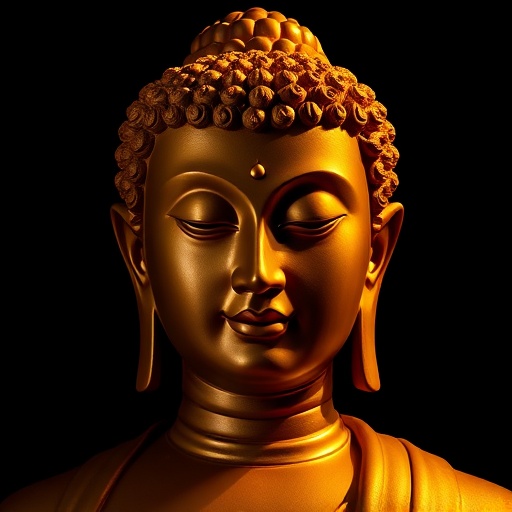
Siddhartha Gautama (Buddha) — "Whatever a foe may do to a foe, or a hater to a hater, a wrongly directed mind w…"
Whatever a foe may do to a foe, or a hater to a hater, a wrongly directed mind will do us greater mischief.
Whatever a foe may do to a foe, or a hater to a hater, a wrongly directed mind will do us greater mischief.
Click any product to generate a realistic preview. Up to 3 at a time.
* Initial load can take up to 90 seconds — revising the preview in another color is nearly instant.
"You yourself, as much as anybody in the entire universe, deserve your love and affection."
"I do not believe in a fate that falls on men however they act; but I do believe in a fate that falls on them unless they act."
"Ardently do today what must be done. Who knows? Tomorrow, death comes."
"Conquer anger with non-anger. Conquer badness with goodness. Conquer meanness with generosity. Conquer dishonesty with truth."
"The virtues, like the Muses, are always seen in groups. A good principle was never found solitary in any breast."
Found in 1 providers: grok
1 source checked
Your own misguided thinking can harm you more than any enemy ever could. External attackers are limited in what damage they can inflict, but a mind pointed in the wrong direction—filled with hatred, delusion, or selfish craving—destroys your peace, relationships, and wellbeing from the inside out. The worst injuries come not from others but from the thoughts you allow to take root and guide your actions.
Buddha built his entire teaching around the mind as the source of suffering and liberation. After leaving his royal life and seeking awakening for six years, he concluded that craving and ignorance—internal mental states—cause dukkha, not external circumstances. This saying reflects the first verses of the Dhammapada, which he reportedly taught, emphasizing that mental discipline through the Eightfold Path matters more than defeating external foes.
In 5th-century BCE northern India, warrior-caste Kshatriya culture glorified vanquishing enemies, and Vedic Brahmanism focused on external ritual purity and caste duty. Rival kingdoms like Kosala and Magadha waged constant wars. Buddha's shramana movement radically redirected attention inward, arguing real danger lay in one's own untrained mind rather than rival clans or ritual impurity—a profound counter-cultural claim in an era obsessed with external enemies and sacrificial rites.
AI-generated insights based on extensive research and information for context. Factual errors? Email [email protected].
Your cart is empty