What it means
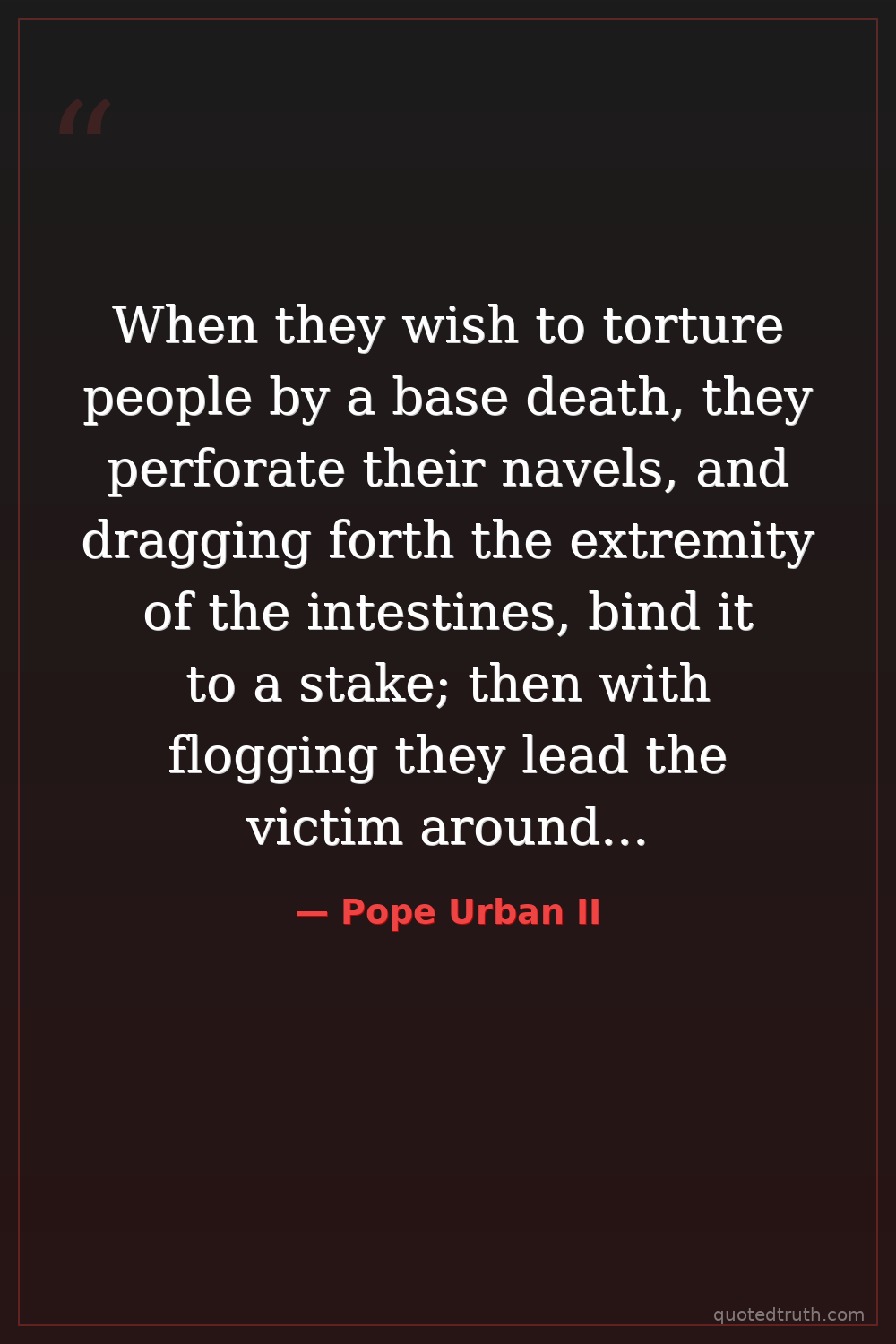
This passage catalogs specific torture methods—intestinal evisceration while the victim walks, arrow impalement at a post, and attempted decapitation by sword—attributed to enemies of Christians in the Holy Land. Its purpose is visceral: make listeners recoil in horror and feel moral obligation to act. The graphic specificity functions as propaganda, transforming distant suffering into something immediate and undeniable, compelling action through disgust and righteous outrage rather than abstract theological argument.
Relevance to Pope Urban II
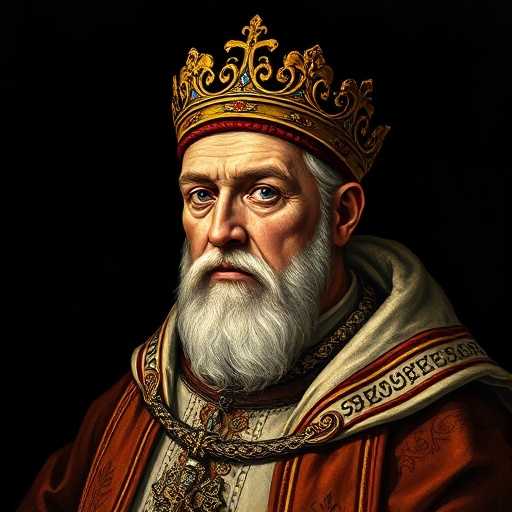
Pope Urban II delivered this account at the Council of Clermont in 1095 to launch the First Crusade. As a Cluniac reformer turned pope, he understood institutional persuasion—this graphic testimony was calculated rhetoric, not pastoral comfort. Urban needed Western lords to fight a distant war, so abstract appeals weren't enough. Describing specific atrocities against fellow Christians transformed crusading from optional piety into urgent moral duty, reflecting his pragmatic genius for mobilizing fractious feudal Europe toward a single military objective.
The era
The Seljuk Turks had seized Jerusalem and crushed Byzantine forces at Manzikert in 1071, prompting Emperor Alexios I to appeal to Rome for military aid. Christian pilgrimage routes to Jerusalem were disrupted and dangerous. Western Europe held restless knights with no constructive outlet for violence. Urban's Clermont speech channeled that energy eastward, framing military expedition as liberation of holy sites and spiritual obligation—launching the First Crusade, which captured Jerusalem in 1099 and reshaped medieval Christendom permanently.
AI-generated insights based on extensive research and information for context. Factual errors? Email [email protected].