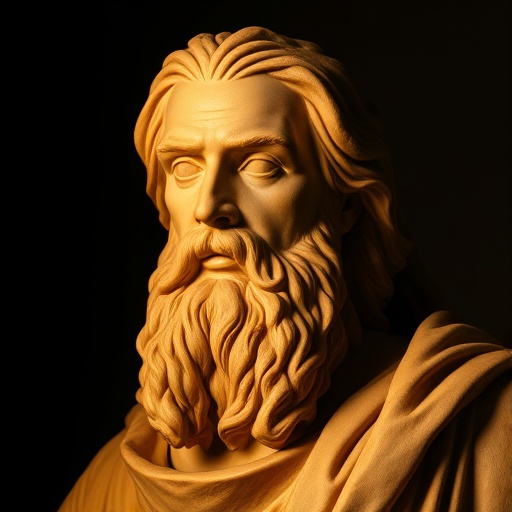
Moses — "You shall not plant your field with two kinds of seed."
You shall not plant your field with two kinds of seed.
You shall not plant your field with two kinds of seed.
Click any product to generate a realistic preview. Up to 3 at a time.
* Initial load can take up to 90 seconds — revising the preview in another color is nearly instant.
"You shall not let any of your children pass through the fire to Molech."
"You shall open wide your hand to your brother, to the needy and to the poor, in your land."
"If thy presence go not with me, carry us not up hence."
"You shall not revile God, nor curse a ruler of your people."
"You shall not put the Lord your God to the test."
Found in 1 providers: deepseek
1 source checked
This instruction prohibits mixing two different types of seeds in the same field. On the surface, it is a simple agricultural rule, but it carries a broader message about maintaining clear distinctions and not blending things that should remain separate. It expresses a value of order, purity, and respect for natural categories, suggesting that combining incompatible elements leads to confusion or compromised outcomes rather than productive harmony.
Moses delivered this law as part of the broader legal code given to the Israelites, establishing boundaries that defined their identity as a distinct people. As lawgiver, he issued hundreds of such statutes covering agriculture, diet, and worship, all reinforcing separation and holiness. This rule fits his central mission: shaping a former slave population into an ordered society bound by covenant, where even farming practices reminded them of their calling to remain set apart from surrounding nations.
In the ancient Near East around the 13th century BCE, agriculture sustained nomadic and settled peoples alike, and farming practices carried religious weight. Surrounding Canaanite cultures mixed crops, animals, and fabrics in rituals tied to fertility cults. Israelite law deliberately countered these customs by enforcing separation in fields, herds, and clothing. Establishing a unique agrarian code helped a newly freed people forge cultural identity while entering a land saturated with competing religious practices and agricultural traditions.
AI-generated insights based on extensive research and information for context. Factual errors? Email [email protected].
Your cart is empty