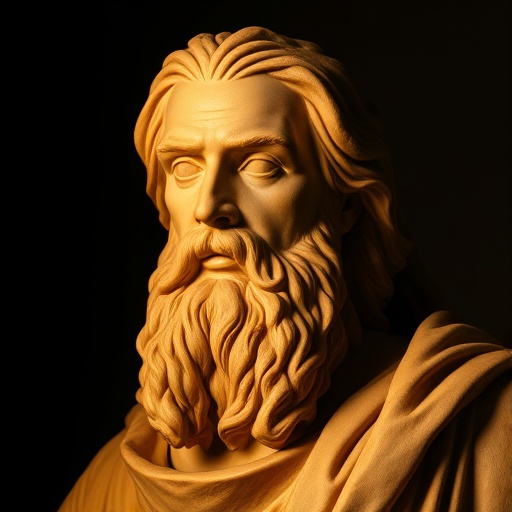
Moses — "You shall not steal."
You shall not steal.
You shall not steal.
Click any product to generate a realistic preview. Up to 3 at a time.
* Initial load can take up to 90 seconds — revising the preview in another color is nearly instant.
"If a man is found lying with a woman married to a husband, then both of them shall die."
"Observe the Sabbath day by keeping it holy, as the Lord your God has commanded you."
"The LORD is my strength and my song; he has become my salvation."
"You shall open wide your hand to your brother, to the needy and to the poor, in your land."
"And the Lord spake unto Moses face to face, as a man speaketh unto his friend."
Exodus 20:15, one of the Ten Commandments given to Moses.
Date: c. 13th-15th century BCE (traditional dating)
WisdomFound in 2 providers: grok,gemini
2 sources checked
This commandment prohibits taking what belongs to another person without permission or right. It covers obvious theft of property, money, or goods, but extends to fraud, deception in business, withholding wages, and exploiting others for personal gain. The rule establishes that ownership and labor deserve respect, and that a functional community depends on people trusting each other with their possessions, livelihoods, and rightful earnings.
Moses delivered this as one of the Ten Commandments received at Mount Sinai, forming the legal and moral foundation he gave the Israelites after leading them from Egyptian slavery. Having witnessed forced labor firsthand, he understood theft as more than property crime, it included stealing freedom and dignity. As lawgiver, he codified this principle into a society rebuilding itself from bondage, where mutual trust was essential for survival in the wilderness.
Around the 13th century BCE, the Israelites were transitioning from enslaved laborers into a self-governing people in the Sinai wilderness. Surrounding Near Eastern cultures had property laws, like Hammurabi's Code, but often punished theft based on social class. Moses's commandment applied equally to everyone, rich or poor, slave or free. This universality was radical for the ancient world, where powerful people routinely seized land, crops, and people without consequence.
AI-generated insights based on extensive research and information for context. Factual errors? Email [email protected].
Your cart is empty