Zoroaster — "Good and evil are so real that humans are to partake in this cosmic battle by se…"
Good and evil are so real that humans are to partake in this cosmic battle by selecting sides.
Good and evil are so real that humans are to partake in this cosmic battle by selecting sides.
Click any product to generate a realistic preview. Up to 3 at a time.
* Initial load can take up to 90 seconds — revising the preview in another color is nearly instant.
"Hear with your ears the best things; behold with a clear vision the two choices, deciding each man for himself, before the great consummation."
"And the reward of the evil man shall be the darkness of the nether world."
"Doing good to others is not a duty. It is a joy, for it increases your own health and happiness."
"Therefore, you who are living, make known these doctrines to those who are striving for the Lie, so that they may not bring about a second destruction for themselves."
"Indeed, I shall speak forth concerning this world’s two spirits, of which the one is good, the other evil, as to thought, as to word, as to deed. Between these two, the discerning have chosen aright, …"
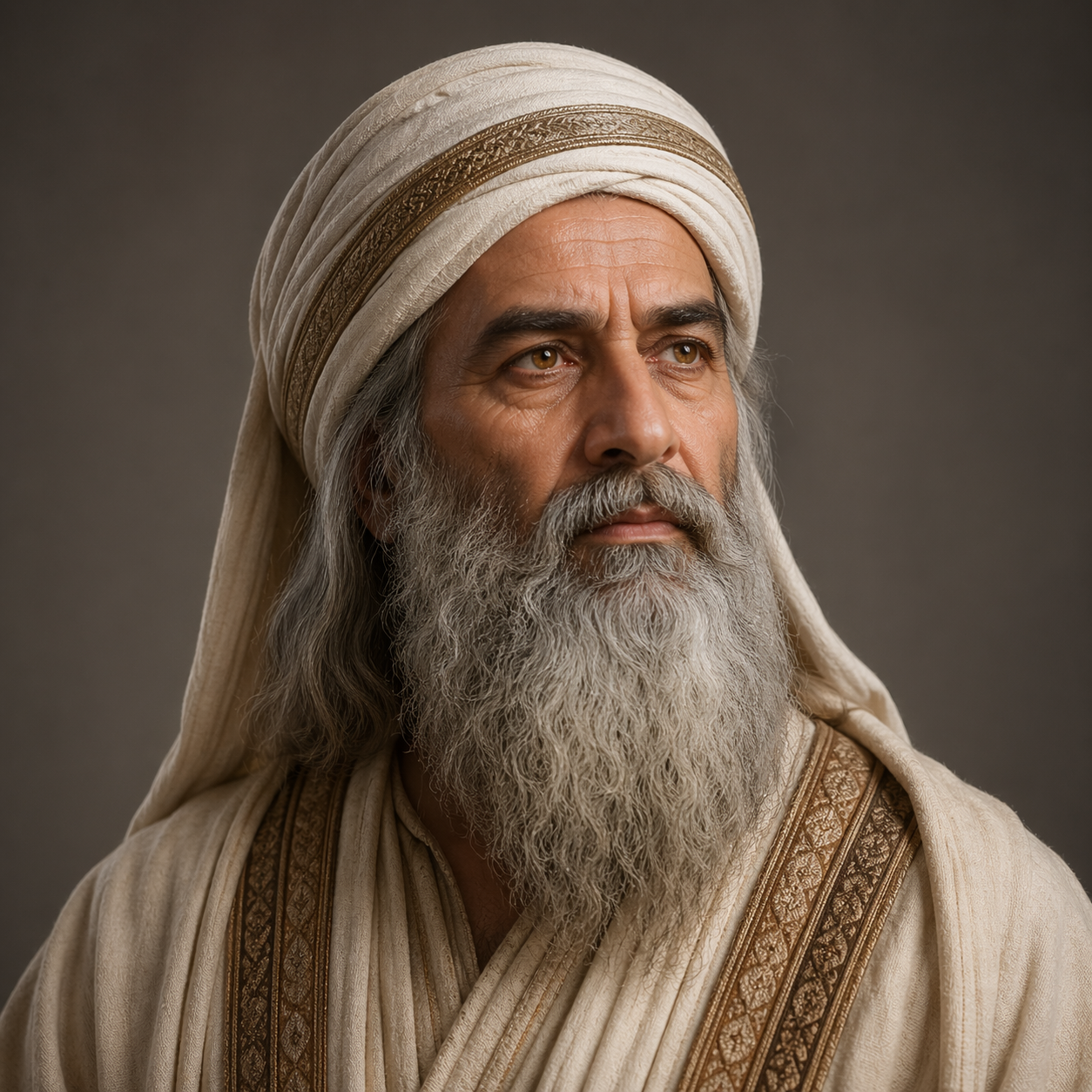
Iranian prophet who founded Zoroastrianism, the first major religion of cosmic dualism between good (Ahura Mazda) and evil (Angra Mainyu). Closely associated with The Buddha (near-contemporary Eastern moral-cosmological revolutionary). For an intellectual contrast, see Friedrich Nietzsche, German philosopher of 'beyond good and evil' — Nietzsche appropriated Zarathustra's name for Thus Spoke Zarathustra (1883) precisely to invert the original's moral cosmology — the historical Zoroaster founded the good-versus-evil framework Nietzsche's character announces the end of.
Found in 1 providers: gemini
1 source checked
Morality is not a matter of opinion or social convention but a genuine feature of reality. Every person faces a constant choice between constructive, truthful action and destructive, deceitful action. By choosing how to think, speak, and act each day, individuals are not just shaping their own character—they are actively reinforcing one side of a larger struggle that gives human decisions weight and consequence.
Zoroaster built his entire religion around this dualism, teaching that Ahura Mazda, the wise creator, opposes Angra Mainyu, the destructive spirit. As a reforming priest who rejected the older polytheistic rituals of his people, he preached personal responsibility through the triad of good thoughts, good words, and good deeds. His message made ordinary humans active combatants rather than passive worshippers in a universe of moral stakes.
Zoroaster likely lived in ancient Persia or Bactria, where tribal religions emphasized animal sacrifice, priestly ritual, and many competing gods. Nomadic raids, cattle theft, and cycles of vengeance shaped daily survival. Into this world he introduced a radically ethical monotheism-leaning vision that reframed chaos and violence as cosmic evil, and order, honesty, and productive settled life as cosmic good, profoundly influencing later Judaism, Christianity, and Islam.
AI-generated insights based on extensive research and information for context. Factual errors? Email [email protected].
Your cart is empty