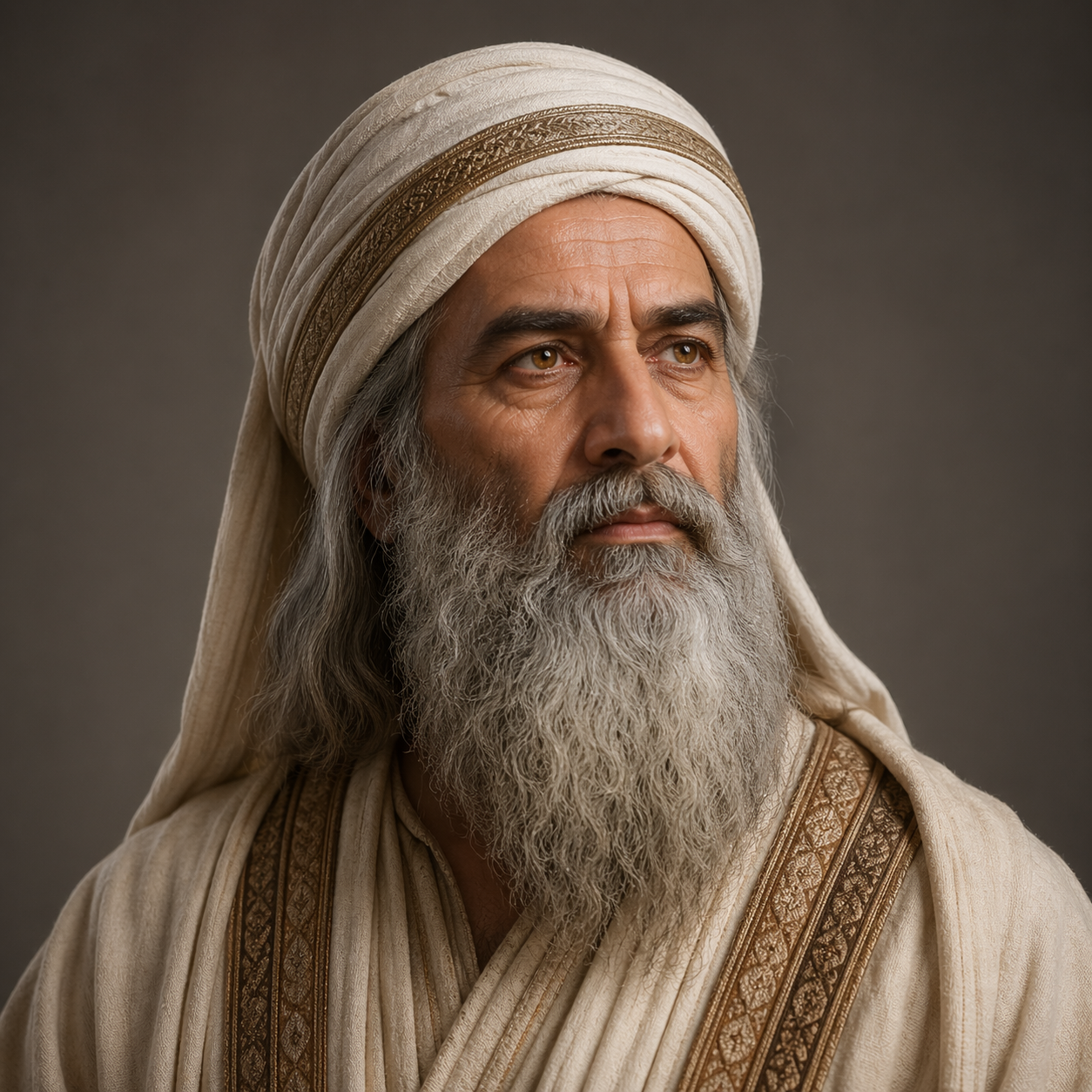
Zoroaster — "The reward for righteousness is happiness, and for wickedness, unhappiness."
The reward for righteousness is happiness, and for wickedness, unhappiness.
The reward for righteousness is happiness, and for wickedness, unhappiness.
Click any product to generate a realistic preview. Up to 3 at a time.
* Initial load can take up to 90 seconds — revising the preview in another color is nearly instant.
"Contemplate the beams of fire with a most pious mind. Every one, both men and women, ought to-day to choose his creed."
"Do not to others what ye do not wish Done to yourself; and wish for others too. What ye desire and long for, for yourself. This is the whole of righteousness, heed it well."
"Evil to the evil, good reward to the good."
"And thus we two, my soul and the soul of creation, prayed with hands outstretched to the Lord; And thus we two urged Mazda with these entreaties: 'Let not destruction overtake the right-living, Let no…"
"That which is good for all and any one, For whomsoever- that is good for me. . . What I hold good for self, I should for all. Only Law Universal is true law."
Iranian prophet who founded Zoroastrianism, the first major religion of cosmic dualism between good (Ahura Mazda) and evil (Angra Mainyu). Closely associated with The Buddha (near-contemporary Eastern moral-cosmological revolutionary). For an intellectual contrast, see Friedrich Nietzsche, German philosopher of 'beyond good and evil' — Nietzsche appropriated Zarathustra's name for Thus Spoke Zarathustra (1883) precisely to invert the original's moral cosmology — the historical Zoroaster founded the good-versus-evil framework Nietzsche's character announces the end of.
Found in 1 providers: gemini
1 source checked
Good actions lead to a good life, and bad actions lead to a miserable one. Happiness is not random or granted by fate but earned through ethical choices. The universe operates on a moral balance: how you treat others and whether you follow truth determines the quality of your inner experience. Wickedness carries its own built-in punishment through the suffering it produces in the wrongdoer.
Zoroaster built his entire religion around the cosmic struggle between Asha (truth, righteousness) and Druj (deceit, wickedness). As a priest-prophet who received revelations from Ahura Mazda, he taught that every person freely chooses sides and faces judgment at the Chinvat Bridge. This saying distills his core ethical teaching: the triad of good thoughts, good words, good deeds produces genuine happiness.
Zoroaster lived in ancient Iran (likely 1500-1000 BCE) among nomadic Indo-Iranian tribes practicing polytheistic ritual sacrifice and cattle raiding. Warlords glorified violence and plunder, while priests focused on appeasing many gods through ceremony. Zoroaster rejected this, introducing radical ideas of personal moral accountability, one supreme creator god, and an afterlife determined by deeds, reshaping how ancient societies understood ethics and justice.
AI-generated insights based on extensive research and information for context. Factual errors? Email [email protected].
Your cart is empty