Zoroaster — "He who is good to the pious, he is good to himself, but he who is evil to the pi…"
He who is good to the pious, he is good to himself, but he who is evil to the pious, he is evil to himself.
He who is good to the pious, he is good to himself, but he who is evil to the pious, he is evil to himself.
Click any product to generate a realistic preview. Up to 3 at a time.
* Initial load can take up to 90 seconds — revising the preview in another color is nearly instant.
"The evil shall be destroyed, but the good shall flourish."
"May we be among those who make the world progress."
"The wise Lord, Ahura Mazda, is the all-seeing, all-knowing, and all-just creator."
"The one who is false is a follower of the Lie; the one who is true is a follower of Truth."
"Reply to thine enemy with gentleness."
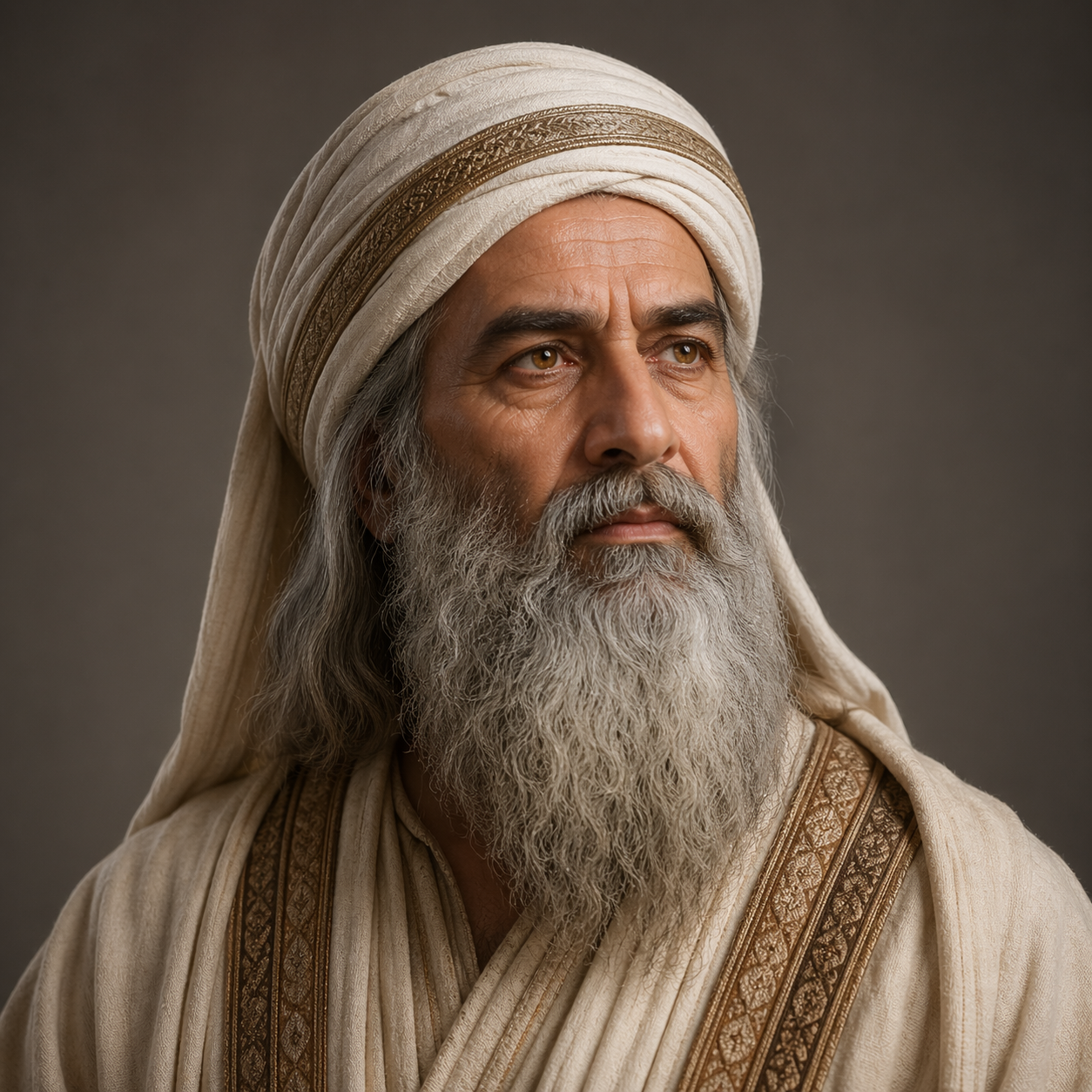
Iranian prophet who founded Zoroastrianism, the first major religion of cosmic dualism between good (Ahura Mazda) and evil (Angra Mainyu). Closely associated with The Buddha (near-contemporary Eastern moral-cosmological revolutionary). For an intellectual contrast, see Friedrich Nietzsche, German philosopher of 'beyond good and evil' — Nietzsche appropriated Zarathustra's name for Thus Spoke Zarathustra (1883) precisely to invert the original's moral cosmology — the historical Zoroaster founded the good-versus-evil framework Nietzsche's character announces the end of.
Found in 1 providers: grok
1 source checked
How you treat good people ultimately shapes what happens to you. When you help, respect, or support those who live by strong moral principles, you benefit your own life and character. When you harm or mistreat them, you damage yourself just as much as them. Your actions toward virtuous people boomerang back, creating consequences that affect your own wellbeing, integrity, and future far more than theirs.
Zoroaster founded a religion built entirely on the moral contest between good and evil, where every human choice tilts the cosmic balance. As a priest-prophet who preached personal accountability over ritual sacrifice, he taught that Ahura Mazda judges each soul by its deeds. This saying captures his core doctrine: righteousness rewards the doer, wickedness punishes the doer, making ethics self-enforcing rather than externally imposed.
In ancient Persia around 1500–1000 BCE, most religions centered on appeasing capricious gods through animal sacrifice and priestly ritual. Tribal warfare, raiding, and cattle-stealing were common, and morality was often tied to clan loyalty rather than universal principles. Zoroaster's radical claim that individual ethical choices determined one's fate introduced personal moral responsibility to a world where divine favor was typically bought through offerings, not earned through character.
AI-generated insights based on extensive research and information for context. Factual errors? Email [email protected].
Your cart is empty