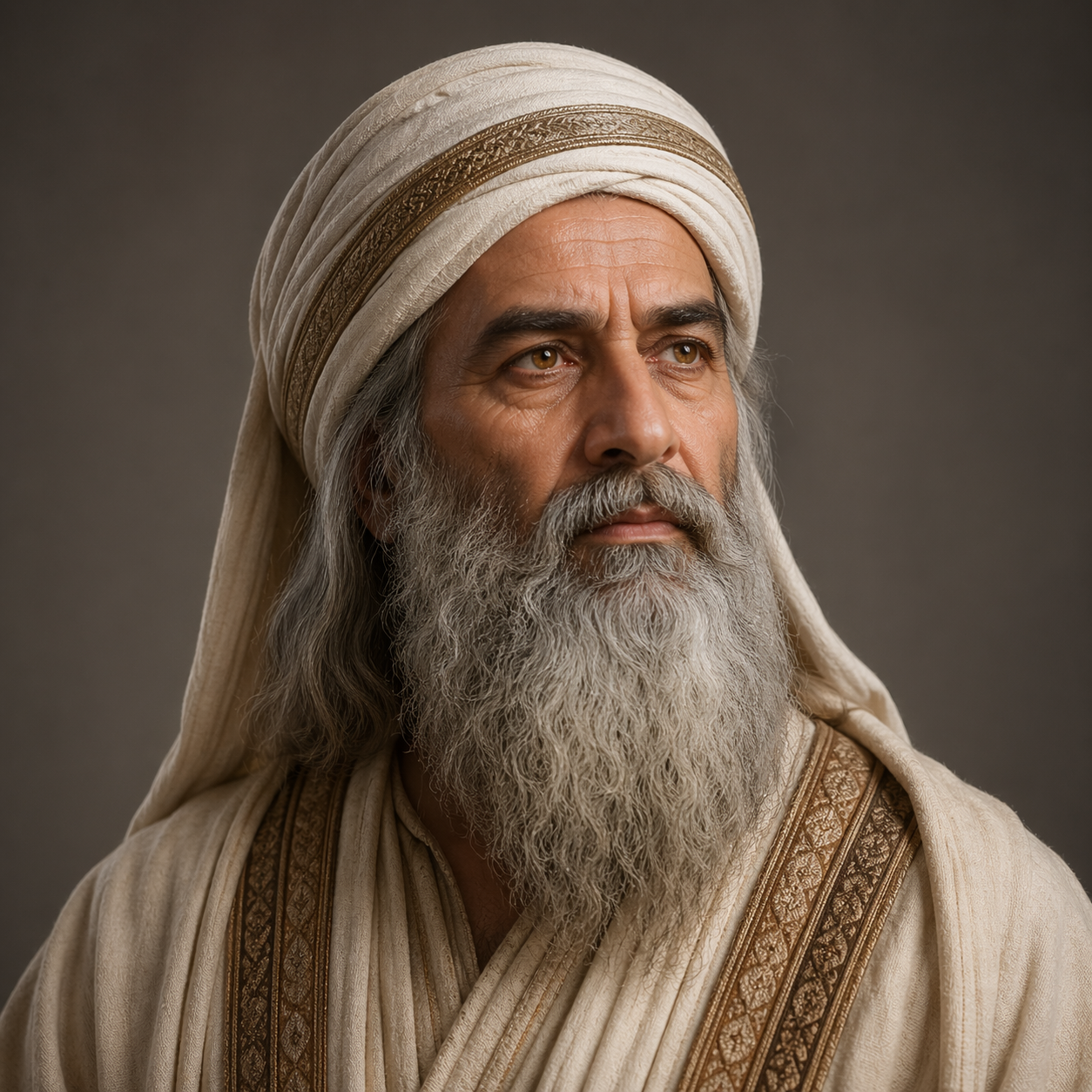
Zoroaster — "He who takes care of the poor, he who helps the needy, he who loves the just, he…"
He who takes care of the poor, he who helps the needy, he who loves the just, he who gives to the pious, shall attain the best existence.
He who takes care of the poor, he who helps the needy, he who loves the just, he who gives to the pious, shall attain the best existence.
Click any product to generate a realistic preview. Up to 3 at a time.
* Initial load can take up to 90 seconds — revising the preview in another color is nearly instant.
"I am aware of my weakness, grant me the affection which a lover in the radiance of righteousness."
"May we be those who shall heal this world."
"There are two fundamental spirits, twins which in waking hours are heard, but in thought are not seen. They are the better and the bad. Of these two, the wise have chosen rightly, not so the foolish."
"Clear is this all to the man of wisdom as to the man who carefully thinks; he who upholds Truth with all the might of his power, he who upholds Truth the utmost in his word and deed, he, indeed, is th…"
"May we be among those who shall make this world perfect, O Mazda Ahura, and may we be workers for the renovation of the world."
Iranian prophet who founded Zoroastrianism, the first major religion of cosmic dualism between good (Ahura Mazda) and evil (Angra Mainyu). Closely associated with The Buddha (near-contemporary Eastern moral-cosmological revolutionary). For an intellectual contrast, see Friedrich Nietzsche, German philosopher of 'beyond good and evil' — Nietzsche appropriated Zarathustra's name for Thus Spoke Zarathustra (1883) precisely to invert the original's moral cosmology — the historical Zoroaster founded the good-versus-evil framework Nietzsche's character announces the end of.
Found in 1 providers: gemini
1 source checked
The saying teaches that a good afterlife is earned through concrete ethical action in this life: materially supporting the poor, actively assisting those in need, honoring people who live righteously, and giving to the devout. Salvation is not granted by ritual alone or by belief, but by a sustained pattern of generosity and moral solidarity with the vulnerable. Character is demonstrated by what a person does for others, not by status or wealth.
Zoroaster preached a radically ethical monotheism centered on Ahura Mazda and the triad of good thoughts, good words, good deeds. As a reformer priest, he rejected the bloody sacrifices and cattle-raiding warrior culture of his pastoral Iranian society, elevating social welfare into a religious duty. The line reflects his core doctrine that each soul is judged at the Chinvat Bridge by its accumulated righteous acts, making care for the poor a literal passport to the 'best existence' (paradise).
Zoroaster lived among the Bronze or early Iron Age Iranian tribes, likely between 1500 and 1000 BCE, when steppe pastoral societies were organized around clan chiefs, polytheistic fire and nature cults, and frequent cattle raids. The weak, elderly, and poor had little protection outside kinship. By making charity toward outsiders and the needy a cosmic obligation tied to afterlife reward, Zoroaster's teaching was a striking social innovation that later influenced Judaic, Christian, and Islamic ideas of almsgiving and final judgment.
AI-generated insights based on extensive research and information for context. Factual errors? Email [email protected].
Your cart is empty