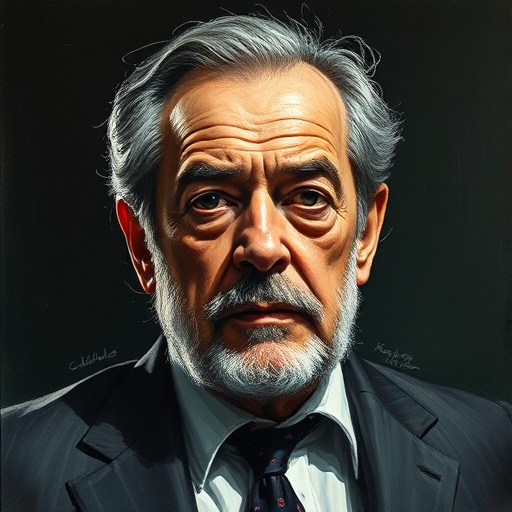
Stanley Kubrick — "I think the key to life is to be able to enjoy the little things."
I think the key to life is to be able to enjoy the little things.
I think the key to life is to be able to enjoy the little things.
Click any product to generate a realistic preview. Up to 3 at a time.
* Initial load can take up to 90 seconds — revising the preview in another color is nearly instant.
"The best education is to travel."
"If you really want to understand a film, you have to watch it at least three times. The first time, you watch the story. The second time, you watch the characters. The third time, you watch the subtex…"
"The novel (The Shining) is by no means a serious literary work, but the plot is for the most part extremely well worked out, and for a film that is all that really matters."
"I think that the greatest works of art are the ones that are the most ambiguous, that can be interpreted in many different ways."
"The thing about life is that it's a tragedy, but it's also a comedy. It's both at the same time."
American filmmaker (2001: A Space Odyssey, Dr. Strangelove, The Shining) whose perfectionist year-long shoots and 100-take method redefined auteurist cinema. Closely associated with Orson Welles (auteur predecessor and Citizen Kane director) and Steven Spielberg (younger collaborator (A.I. Artificial Intelligence)). For an intellectual contrast, see Quentin Tarantino, postmodern American filmmaker — Kubrick's films erase influences into singular monolithic vision; Tarantino's foreground every reference as a deliberate tribute. The two opposite ways auteurist cinema can be made.
Your cart is empty