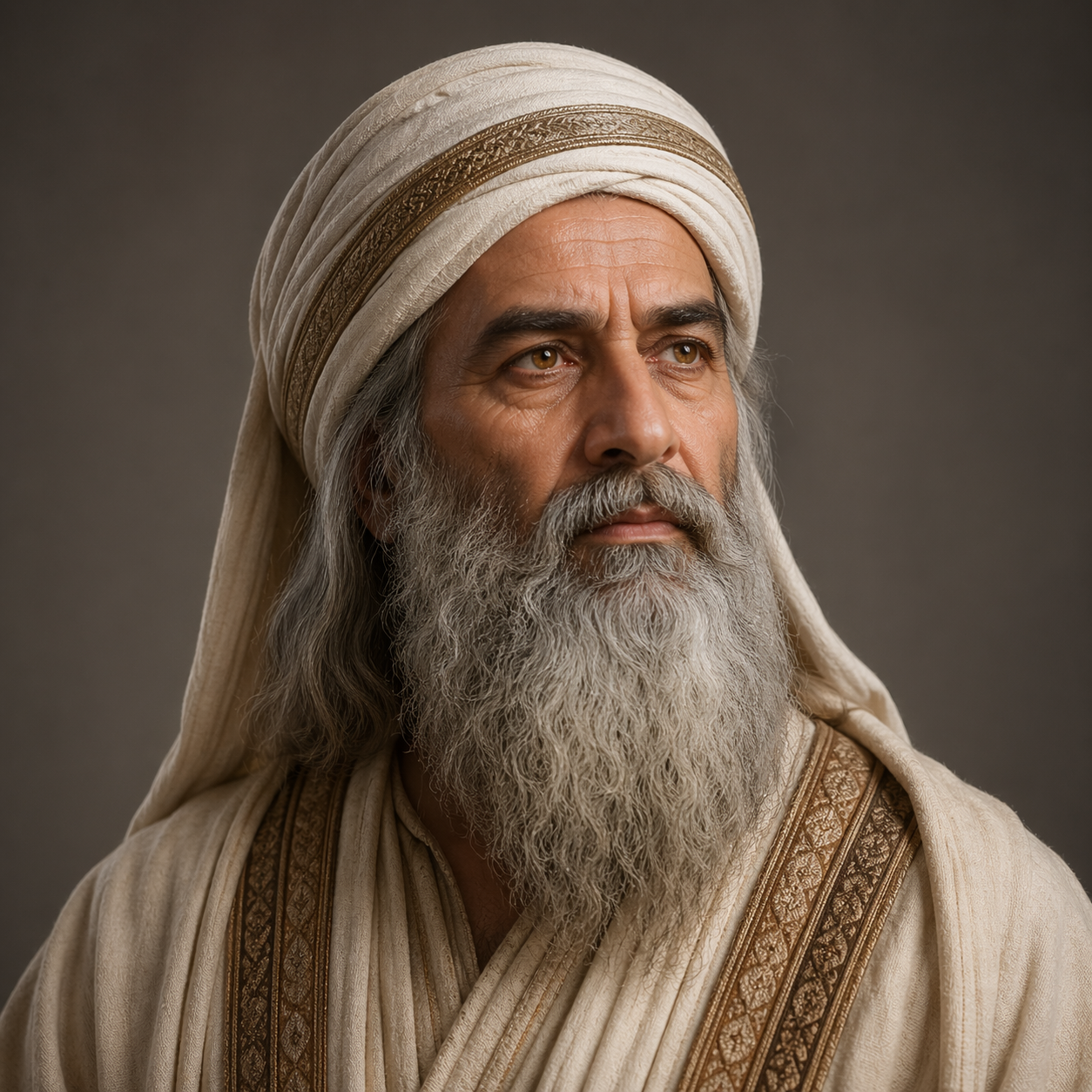
Zoroaster — "May the good spirit prevail over the evil spirit in all hearts."
May the good spirit prevail over the evil spirit in all hearts.
May the good spirit prevail over the evil spirit in all hearts.
Click any product to generate a realistic preview. Up to 3 at a time.
* Initial load can take up to 90 seconds — revising the preview in another color is nearly instant.
"May we be among those who shall make this world perfect, O Mazda Ahura, and may we be workers for the renovation of the world."
"The first step to the Good Religion is to become a foe unto the Lie and a friend unto the Truth."
"A gentle hand can lead even an elephant by a hair. Reply to thine enemy with gentleness."
"Indeed, I shall speak forth concerning this world’s two spirits, of which the one is good, the other evil, as to thought, as to word, as to deed. Between these two, the discerning have chosen aright, …"
"Who created light and darkness? Who created sleep and waking?"
Iranian prophet who founded Zoroastrianism, the first major religion of cosmic dualism between good (Ahura Mazda) and evil (Angra Mainyu). Closely associated with The Buddha (near-contemporary Eastern moral-cosmological revolutionary). For an intellectual contrast, see Friedrich Nietzsche, German philosopher of 'beyond good and evil' — Nietzsche appropriated Zarathustra's name for Thus Spoke Zarathustra (1883) precisely to invert the original's moral cosmology — the historical Zoroaster founded the good-versus-evil framework Nietzsche's character announces the end of.
Found in 1 providers: gemini
1 source checked
This is a hope that the impulse toward honesty, kindness, and constructive action wins out over the pull toward cruelty, deceit, and harm inside every person. It frames the real battleground as internal: each human mind is a contested space where two opposing drives compete, and the outcome of that inner contest shapes the outer world. The speaker is wishing everyone's better nature the victory.
Zoroaster built his entire religion around exactly this dualism. He taught that Ahura Mazda, the wise good spirit, and Angra Mainyu, the destructive spirit, are locked in cosmic struggle, and that every person must actively choose sides through good thoughts, good words, and good deeds. As a priest-prophet who reformed older Iranian polytheism, he placed moral choice at the center of worship, making this line a direct summary of his core doctrine.
Zoroaster preached in ancient Iran roughly 1500–1000 BCE, when surrounding cultures worshipped many amoral nature gods through animal sacrifice and magical ritual. Tribal raiding, blood feuds, and priest-caste abuses were common. Against that backdrop, insisting that the universe runs on a moral axis of good versus evil, and that ordinary hearts decide the outcome, was radical. It seeded ideas of heaven, hell, judgment, and free will that later shaped Judaism, Christianity, and Islam.
AI-generated insights based on extensive research and information for context. Factual errors? Email [email protected].
Your cart is empty