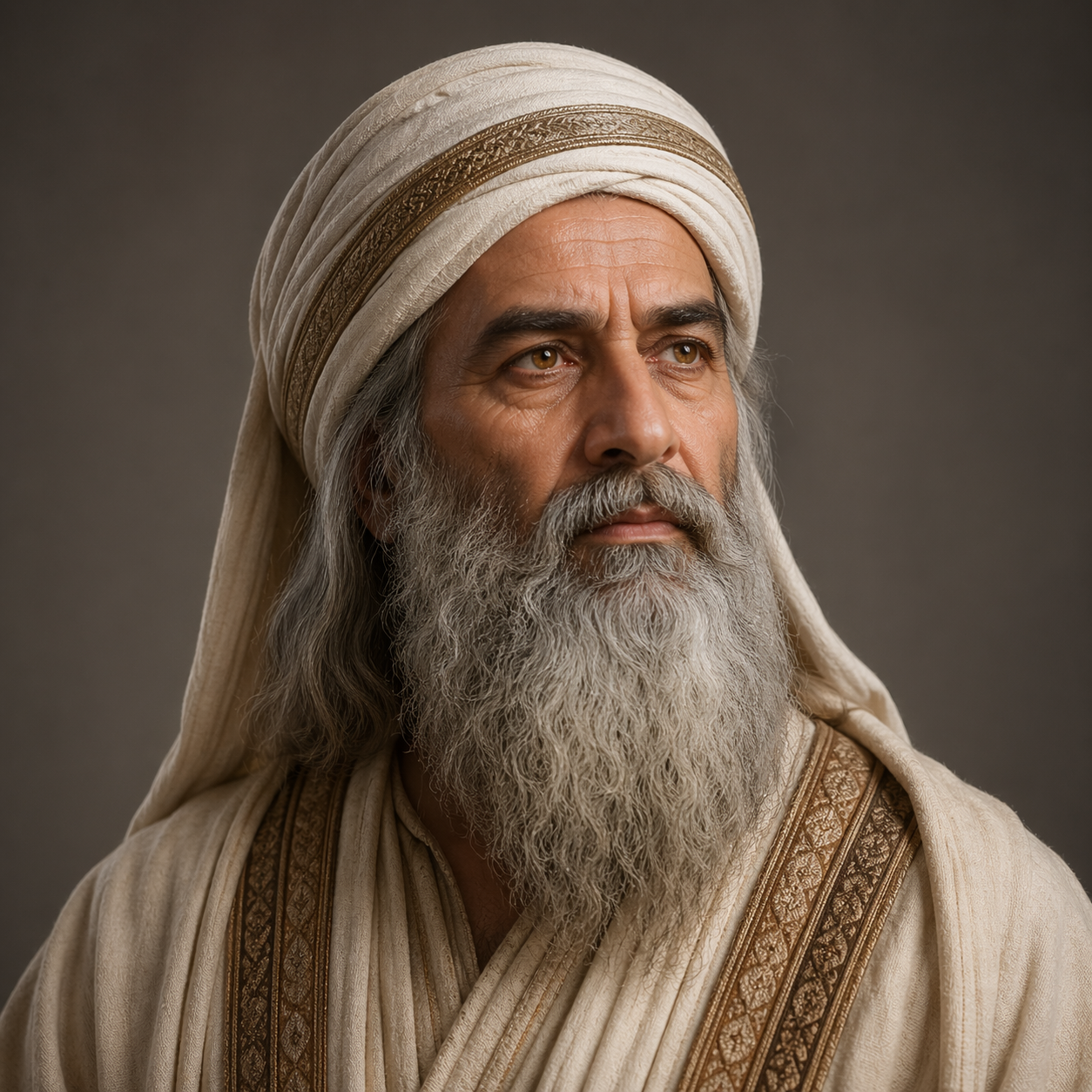
Zoroaster — "May the good thoughts, good words, and good deeds of those who strive for righte…"
May the good thoughts, good words, and good deeds of those who strive for righteousness be manifested in this world.
May the good thoughts, good words, and good deeds of those who strive for righteousness be manifested in this world.
Click any product to generate a realistic preview. Up to 3 at a time.
* Initial load can take up to 90 seconds — revising the preview in another color is nearly instant.
"A gentle hand can lead even an elephant by a hair. Reply to thine enemy with gentleness."
"He who upholds Truth with all the might of his power, He who upholds Truth the utmost in his word and deed, He, indeed, is Thy most valued helper, O Mazda Ahura!"
"The path of the righteous is not always easy, but it is always right. And sometimes, it involves a lot of sheep. You wouldn't believe the amount of sheep."
"Turn yourself not away from three best things: Good Thought, Good Word, and Good Deed."
"Whoso delights the righteous, him Ahura Mazda will bless."
Iranian prophet who founded Zoroastrianism, the first major religion of cosmic dualism between good (Ahura Mazda) and evil (Angra Mainyu). Closely associated with The Buddha (near-contemporary Eastern moral-cosmological revolutionary). For an intellectual contrast, see Friedrich Nietzsche, German philosopher of 'beyond good and evil' — Nietzsche appropriated Zarathustra's name for Thus Spoke Zarathustra (1883) precisely to invert the original's moral cosmology — the historical Zoroaster founded the good-versus-evil framework Nietzsche's character announces the end of.
Found in 1 providers: gemini
1 source checked
This is a blessing calling for the ethical efforts of righteous people to become visible and effective in everyday life. It asks that those who consciously try to think kindly, speak truthfully, and act justly see those intentions take real shape around them. Rather than keeping virtue private or abstract, the speaker wants moral striving to produce tangible change, shaping society through concrete behavior instead of staying locked inside belief or ritual.
Zoroaster built his entire religion around the triad Humata, Hukhta, Hvarshta, meaning good thoughts, good words, good deeds. As a priest turned reformer, he rejected empty sacrifice and taught that each person chooses daily between truth and the lie. This saying compresses his lifelong message, which urged followers to actively partner with Ahura Mazda by embodying righteousness rather than appeasing gods, reflecting his role as an ethical prophet rather than a ceremonial functionary.
Zoroaster lived in Bronze Age eastern Iran, likely between 1500 and 1000 BCE, amid polytheistic Indo-Iranian tribes who practiced animal sacrifice, intoxicant rituals, and warrior raiding. Priests served many daevas for cosmic favors. Against this backdrop, his insistence that moral conduct, not ritual offerings, determined a soul's fate was radical. He preached during nomadic upheaval and clan conflict, offering an ordered vision of cosmic truth, asha, that would later influence Judaism, Christianity, Islam, and Greek philosophy.
AI-generated insights based on extensive research and information for context. Factual errors? Email [email protected].
Your cart is empty