Zoroaster — "The greatest wisdom is to know oneself. The second greatest is to know where you…"
The greatest wisdom is to know oneself. The second greatest is to know where you put your keys.
The greatest wisdom is to know oneself. The second greatest is to know where you put your keys.
Click any product to generate a realistic preview. Up to 3 at a time.
* Initial load can take up to 90 seconds — revising the preview in another color is nearly instant.
"Doing good to others is not a duty. It is a joy, for it increases your own health and happiness."
"The joy of the wicked shall be turned into sorrow."
"The Lie is the source of all evil, the Truth is the source of all good."
"Anyone in the world here below can win purity for himself, namely, when he cleanses himself with Good Thoughts, Good Words, and Good Deeds."
"When we are in doubt whether an action is good or bad, abstain from it."
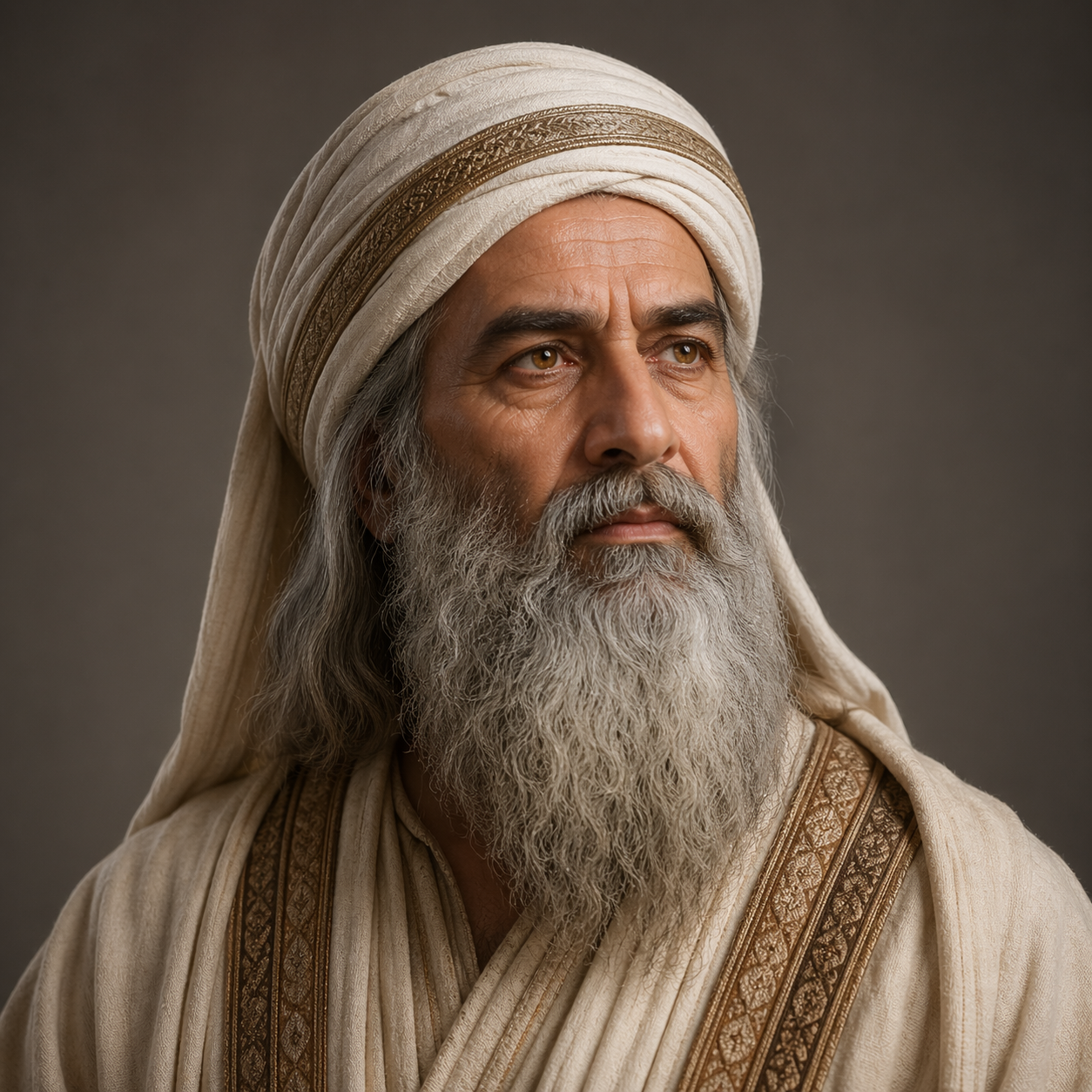
Iranian prophet who founded Zoroastrianism, the first major religion of cosmic dualism between good (Ahura Mazda) and evil (Angra Mainyu). Closely associated with The Buddha (near-contemporary Eastern moral-cosmological revolutionary). For an intellectual contrast, see Friedrich Nietzsche, German philosopher of 'beyond good and evil' — Nietzsche appropriated Zarathustra's name for Thus Spoke Zarathustra (1883) precisely to invert the original's moral cosmology — the historical Zoroaster founded the good-versus-evil framework Nietzsche's character announces the end of.
Found in 1 providers: grok
1 source checked
Real insight starts with understanding your own mind, motives, and limits, because nothing else you learn means much if you do not first know who is doing the learning. The second line is a joke that punctures the first: even the most self-aware person still loses track of ordinary things. Together they say self-knowledge matters most, but stay humble, because daily life keeps reminding you that you are still a forgetful human.
Zoroaster taught that each person must personally choose between truth (asha) and the lie (druj), which requires honest self-examination rather than blind ritual. As a reforming priest who rejected the crowded old Iranian pantheon for one wise god, Ahura Mazda, he put individual conscience at the center of religion. The quote fits his emphasis on inward moral clarity, though the keys punchline is clearly modern humor, not something the historical prophet would have said.
Zoroaster likely lived in Bronze Age eastern Iran, roughly the late second to early first millennium BCE, among semi-nomadic Indo-Iranian tribes whose religion centered on animal sacrifice, warrior gods, and ritual purity overseen by a hereditary priesthood. Literacy was rare and teachings passed through memorized hymns. In that world, telling people that salvation depended on personal ethical choice and self-scrutiny, rather than tribal ritual performed correctly by priests, was a genuinely radical cultural shift.
AI-generated insights based on extensive research and information for context. Factual errors? Email [email protected].
Your cart is empty