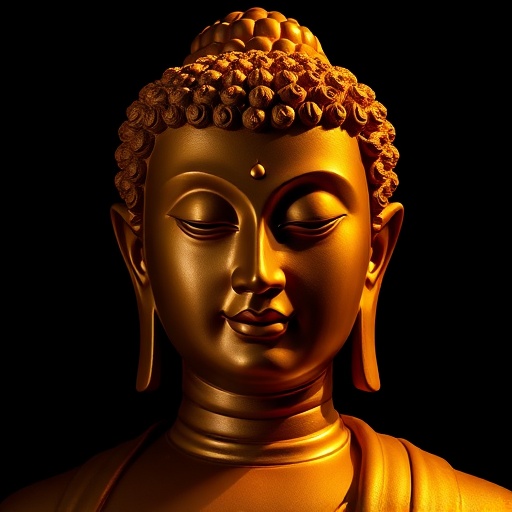
Siddhartha Gautama (Buddha) — "The mind is everything. What you think you become."
The mind is everything. What you think you become.
The mind is everything. What you think you become.
Click any product to generate a realistic preview. Up to 3 at a time.
* Initial load can take up to 90 seconds — revising the preview in another color is nearly instant.
"You will not be punished for your anger, you will be punished by your anger."
"Much though he recites the sacred texts, but acts not accordingly, that heedless man is like a cowherd who only counts the cows of others."
"Whatever a foe may do to a foe, or a hater to a hater, a wrongly directed mind will do us greater mischief."
"Do not pursue the past. Do not lose yourself in the future. The past no longer is. The future has not yet come. Looking deeply at life as it is in the very here and now, the practitioner dwells in sta…"
"Just as a candle cannot burn without fire, men cannot live without a spiritual life."
Attributed, often cited in various Buddhist texts and teachings.
Date: c. 5th century BCE
WisdomFound in 2 providers: grok,gemini
2 sources checked
Your thoughts shape who you are. The mental habits you feed grow into your character, actions, and ultimately your identity. If you dwell on anger, you become angry; if you cultivate kindness, you become kind. Consciousness is not a passive observer but the active material from which your self is built. Change what you think about, and you change what you are.
Buddha abandoned his royal life after recognizing that suffering originates in craving and untrained perception, not external circumstance. His entire eightfold path begins with Right View and Right Intention, placing mental discipline before action. After six years of meditation under the Bodhi tree, he taught that liberation comes through training consciousness itself, making this saying a direct expression of his core doctrine.
In 5th-century BCE northern India, the Shramana movement challenged Vedic ritualism, proposing that inner transformation, not priestly sacrifice, determined one's fate. Urbanizing kingdoms along the Ganges bred spiritual seekers questioning caste and karma. Buddha's emphasis on mind over birth, ritual, or social status was radical, offering a path to awakening accessible to anyone willing to train their thinking, independent of Brahmin authority.
AI-generated insights based on extensive research and information for context. Factual errors? Email [email protected].
Your cart is empty