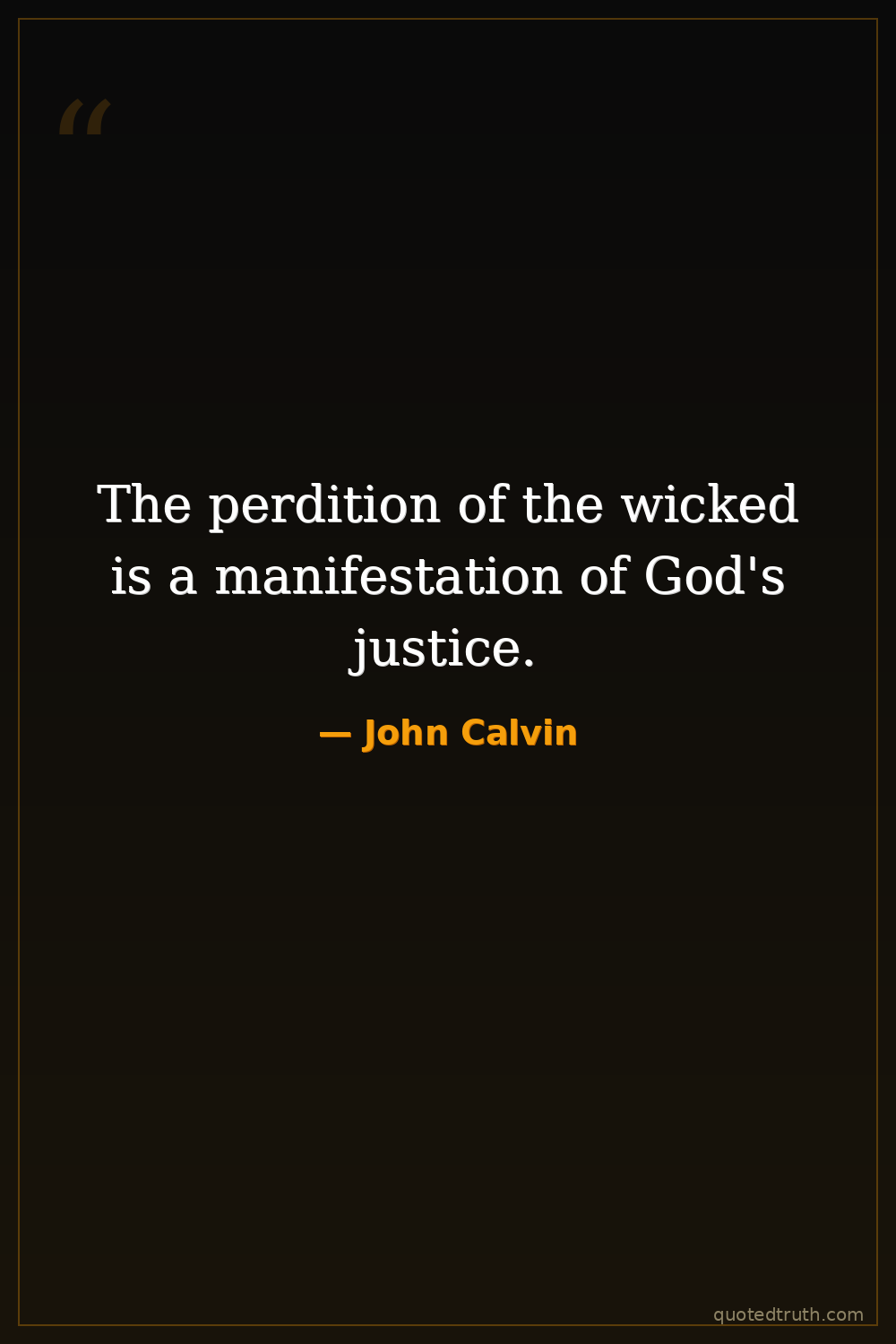
John Calvin — "The perdition of the wicked is a manifestation of God's justice."
The perdition of the wicked is a manifestation of God's justice.
The perdition of the wicked is a manifestation of God's justice.
Click any product to generate a realistic preview. Up to 3 at a time.
* Initial load can take up to 90 seconds — revising the preview in another color is nearly instant.
"God, by a just and irreprehensible, but incomprehensible judgment, has predestinated some to eternal life, and others to eternal death."
"The torture of a bad conscience is the hell of a living soul."
"For we do not say that man is dragged unwillingly into sinning, but that because his will is corrupt he is held captive under the yoke of sin and therefore of necessity wills in an evil way."
"The elect are chosen before the foundation of the world."
"The reprobate are blinded that they may not see, and hardened that they may not feel."
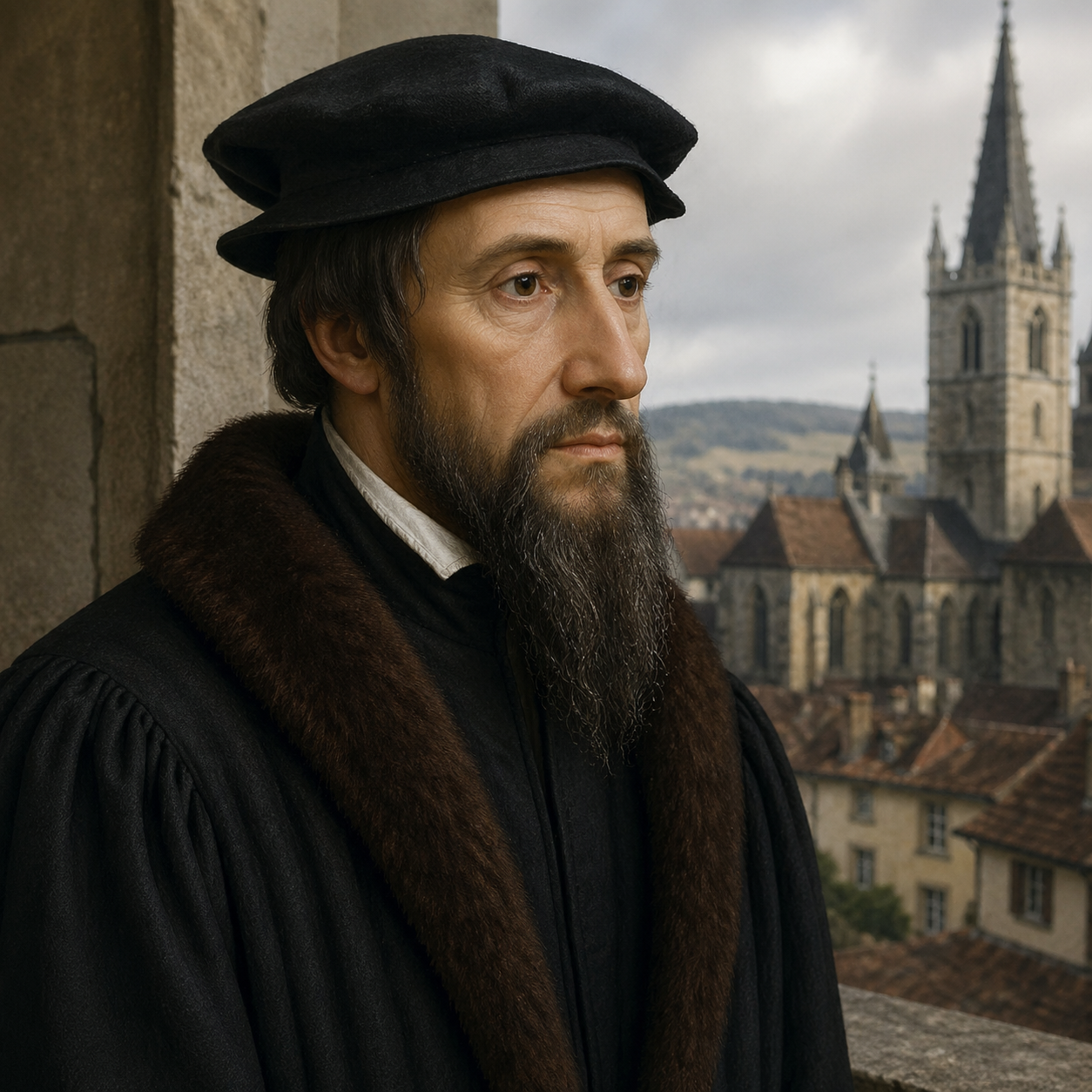
French theologian whose Institutes of the Christian Religion (1536) systematized Protestant Reformed doctrine, including predestination. Closely associated with Martin Luther (Reformation founder, Calvin's predecessor). For an intellectual contrast, see Jacobus Arminius, Dutch Reformed theologian (1560-1609) — Arminius's rejection of strict double-predestination founded Arminianism — the theological tradition modern Methodism, most evangelicalism, and Pentecostalism descend from. The Calvinist-Arminian debate has divided Protestantism for 400 years.
Found in 1 providers: grok
1 source checked
The eternal damnation of sinners is not arbitrary cruelty but a revelation of God's perfectly righteous character. Just as mercy reveals God's grace toward the saved, punishment reveals his justice toward the condemned. Wickedness cannot go unanswered without compromising divine holiness. The suffering of the unrepentant serves a theological purpose: it demonstrates that God's moral order is real, his standards absolute, and his judgment fully consistent with his nature.
Calvin built double predestination into his Institutes of the Christian Religion: God elects some for salvation and passes over others for damnation, both acts glorifying distinct divine attributes. This quote captures that logic precisely. Throughout his Geneva ministry Calvin defended reprobation against fierce critics, arguing that objecting to divine judgment was itself rebellion against God's sovereignty—a sovereignty he considered the cornerstone of all sound Christian theology.
The 16th-century Reformation dismantled Catholic frameworks for managing sin—confession, purgatory, indulgences—leaving urgent questions about who was damned and why. Calvin wrote amid religious wars, heresy executions, and competing salvation theologies. With Luther's challenge already reshaping Europe, Calvin's Geneva became a model theocracy where divine justice was not abstract but politically enforced. The question of God's justice toward the wicked carried existential weight when neighbors were being killed for their confessions.
AI-generated insights based on extensive research and information for context. Factual errors? Email [email protected].
Your cart is empty